Why, in 2026, People Still Wind a Mechanical Watch… and Wear a G-Shock or a Garmin Fenix
By Charlemagne WatchesUpdated on 3 min read
Imagine you're lost deep in the mountains. Your phone gave up the ghost a good two hours ago. No battery, no signal, nothing left. And yet, on your wrist, your old mechanical watch quietly keeps its rhythm. Your G-Shock takes the knocks without flinching. And your Garmin Fenix guides you with topo maps of formidable precision, even in the middle of nowhere.
That is exactly where the real answer lies, in 2026.
I've spent thirty years hanging around workshops, walking watch fairs, taking calibres apart and talking to the people who make them. And the more I see connected watches flood the market, the more I'm convinced that the true survivors are not at all the ones people think.
The return of real time
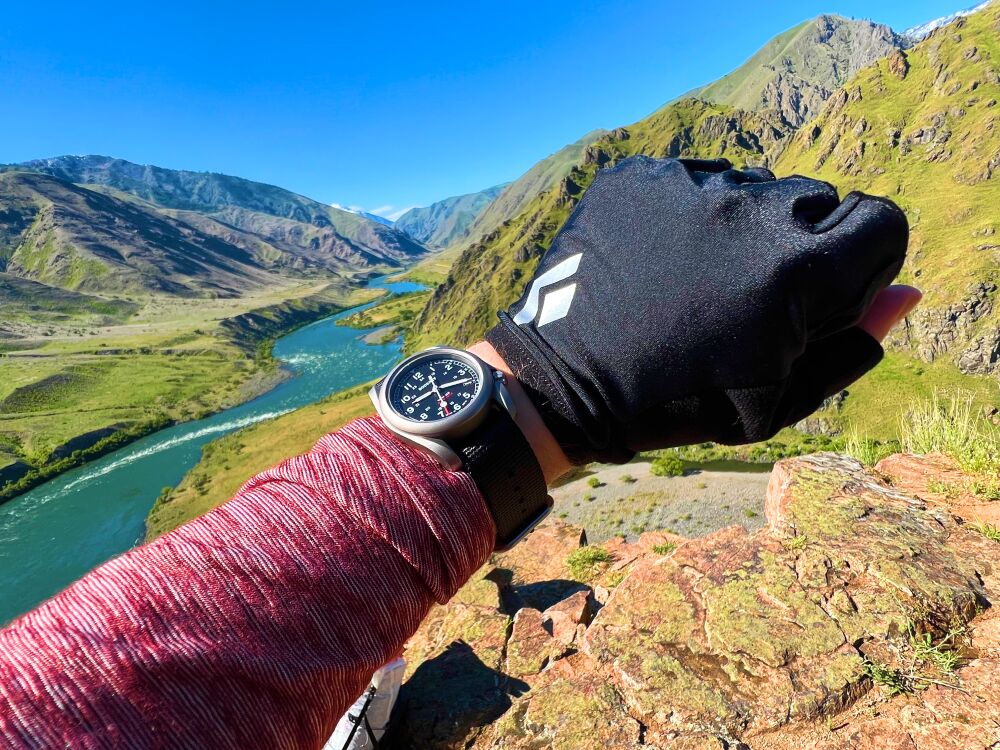
A mechanical watch does not give you the time to the nanosecond. That is not its job. It makes you feel time. The balance wheel vibrating against your skin, the mainspring tensing under your fingers as you wind it, that particular little click that tells you everything is running smoothly… It is physical. It is alive. It is an object that breathes with you, that lives at the pace of your days.
The emotion technology never touches
Winding a calibre is almost an intimate gesture. You feel the resistance of the barrel, you hear that unique sound only initiates recognise. A mechanical watch carries a history. It may have belonged to your father. Or your grandfather. It has crossed decades, journeys, moments of a life. It transmits something profound, something visceral, that no algorithm will ever reproduce.
The ready-for-anything watches, the true everyday soldiers

Alongside all this, there are the queens of raw resilience. The Casio G-Shock. Quartz watches, yes, but built to survive just about anything. Shocks, salt water, mud, extreme cold… they take it all without complaint. This is the kind of watch worn by soldiers, firefighters, everyone who works outdoors in all weathers and doesn't have the luxury of cosseting their watch. Incidentally, in that same spirit of extreme ruggedness, certain pieces such as the Breitling Emergency go even further with a built-in distress beacon, but that is another story.
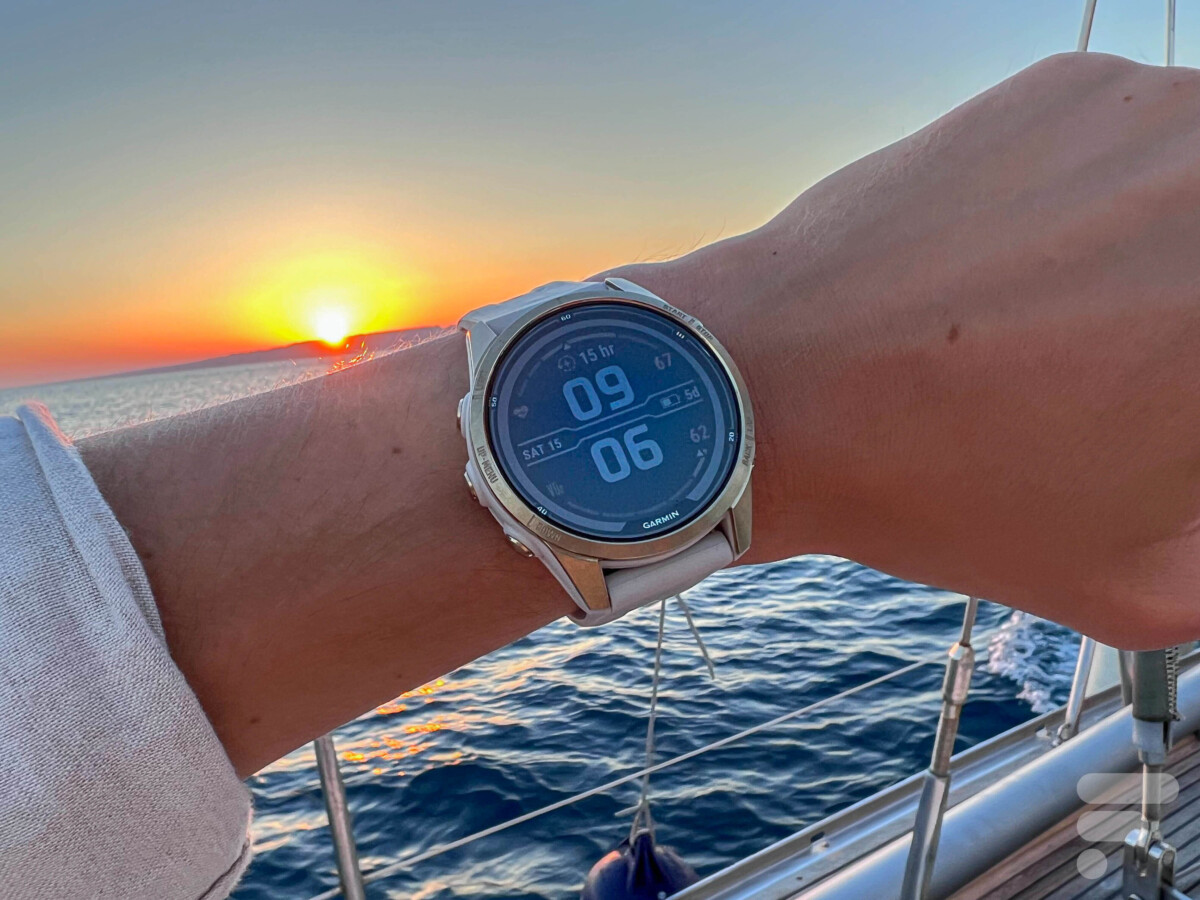
And then there are the Garmin Fenix and Epix. These are not just more connected watches. They are workhorses built for hardcore outdoor use. Detailed topo maps built in, multi-band GPS of surgical precision, a battery that lasts for weeks, and solar-charging versions that let you go for several days without ever hunting for a socket. The Fenix is the indestructible tank. The Epix, with its bright AMOLED screen, offers the same ruggedness but with a display that stays sharp even in full sun. They are made for hikers, mountaineers, the kind of people who live outdoors and need a reliable tool, not a gadget.
True durability
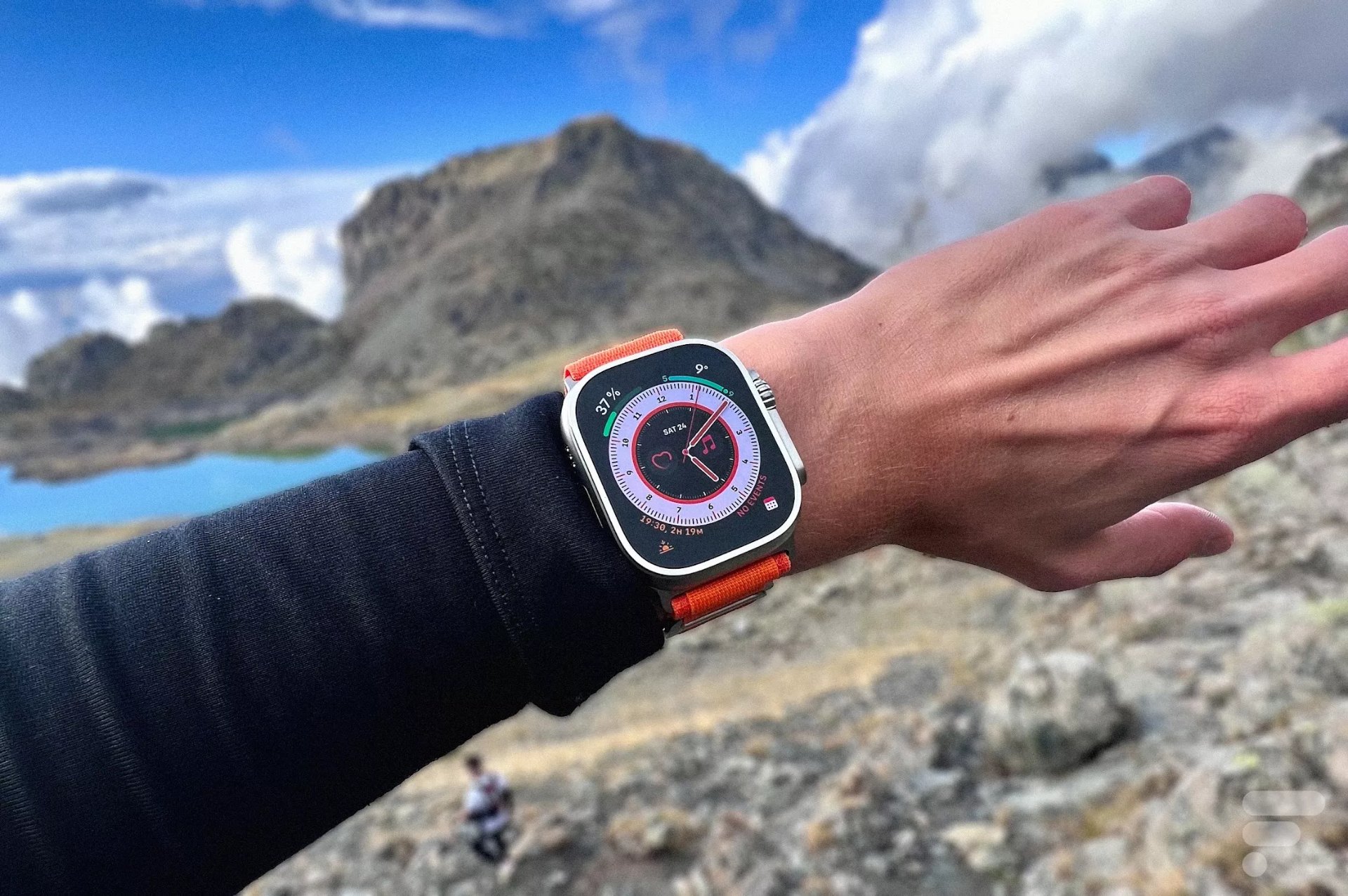
A conventional connected watch becomes obsolete within four or five years. The updates stop, the battery tires, and you're left with a fine-looking but useless strap. A good mechanical watch, well maintained, by contrast lives for thirty, fifty, sometimes a hundred years. A G-Shock will easily accompany you for ten or fifteen years without faltering. And a Garmin Fenix or Epix, with its solar battery, can literally follow you for weeks of total autonomy.
In 2026, choosing a watch that isn't just another everyday smartwatch is not being retro. It is refusing to let time be reduced to one more piece of data on a screen. It is choosing emotion, raw ruggedness, or outdoor precision.
Whether it's a beautiful mechanical watch laden with history, a G-Shock ready to take anything, or a Garmin Fenix that never loses you… you're wearing something that lasts, that lives, and that won't let you down when everything else fails.
And that, believe me, is something no push notification will ever replace.
Related articles
- Vintage watches under €1,500: Omega, Longines, Universal Genève2026 buying guide to vintage Swiss watches under €1,500: Omega Genève, Dynamic, Seamaster and Constellation, Universal Genève Polerouter, Longines, Baume & Mercier, Tissot and Zenith. Calibres, references and real market values.
- Vintage Seiko Buying Guide: Seiko 5, King Seiko & Grand SeikoA complete overview of collectable vintage Seiko watches: Seiko 5, King Seiko and Grand Seiko. Calibres, references, authentication method and market prices.
- Must de Cartier: Chronicle of a Watchmaking Revolution (1973-2004)A historical chronicle of the Must de Cartier line (1973-2004): its birth, artistic direction, iconic models and rare pieces, seen from the Charlemagne workshop in Herstal-Liège.