Chronographs: the Tool that Set the World's Rhythm
By CharlemagneUpdated on 5 min read
The chronograph is no ordinary watch
It is the only mechanical instrument born to measure time in action. As early as 1821, Nicolas Rieussec files the first patent to time horses. Then war arrives. Breguet supplies French pilots with pocket models. Breitling and Rolex follow with precise pushers.
Seiko and the Olympics, a story of precision
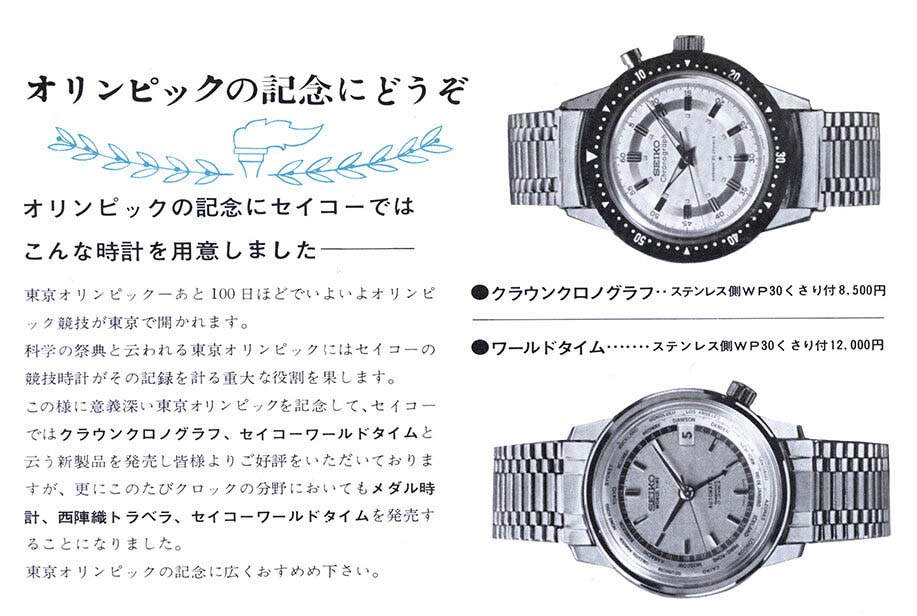
In 1964, Tokyo hosts the Games. For Japan, it is a matter of national honour. Seiko is chosen as official timekeeper. The brand arrives with 1,278 measuring instruments. Pocket chronometers. Wall clocks. And above all the mono-pusher Crown Chronograph, a piece created specially for the event. 21 jewels. Solid steel case. Engraved rotating bezel. It is not pretty, it is functional.
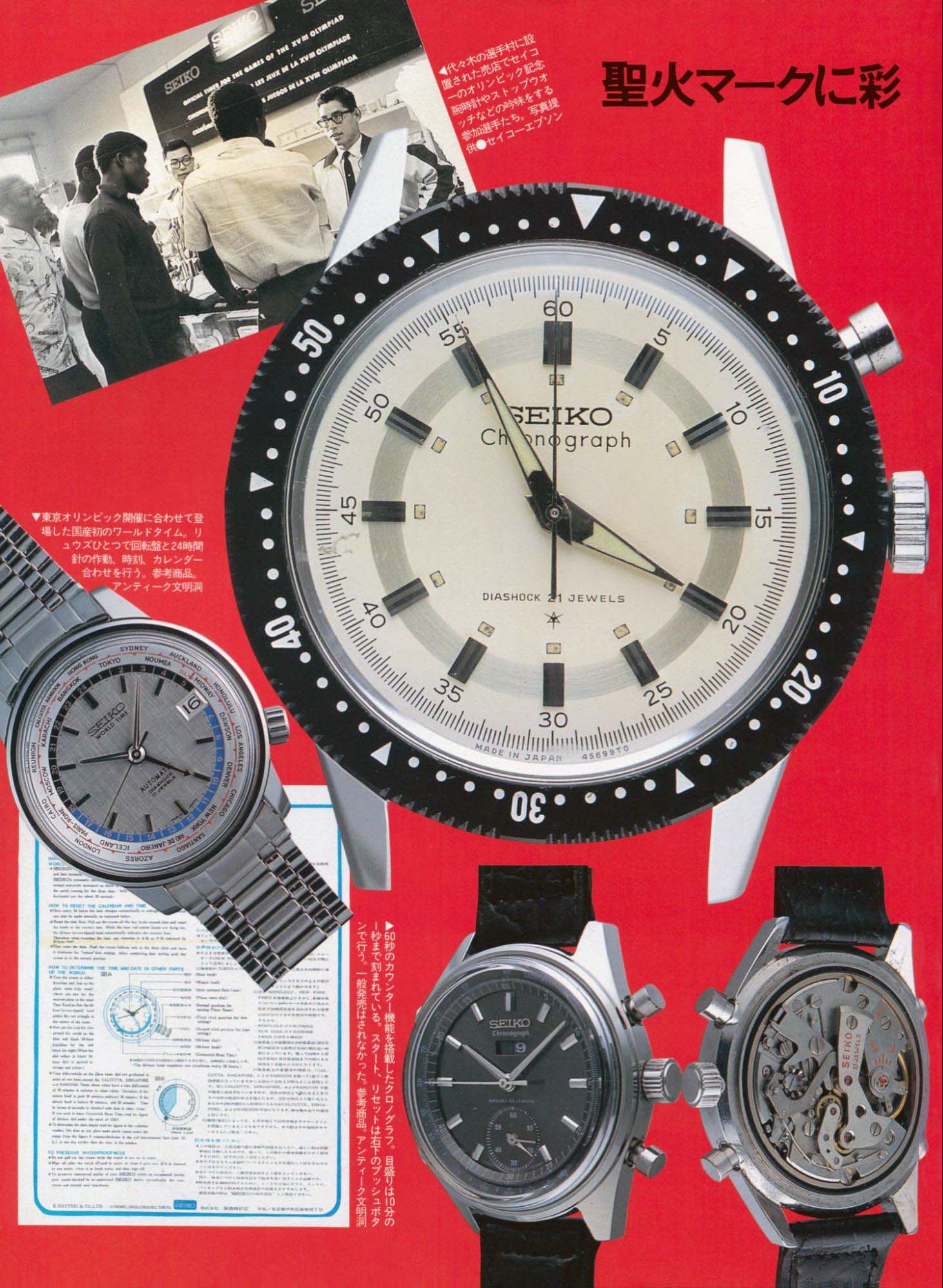
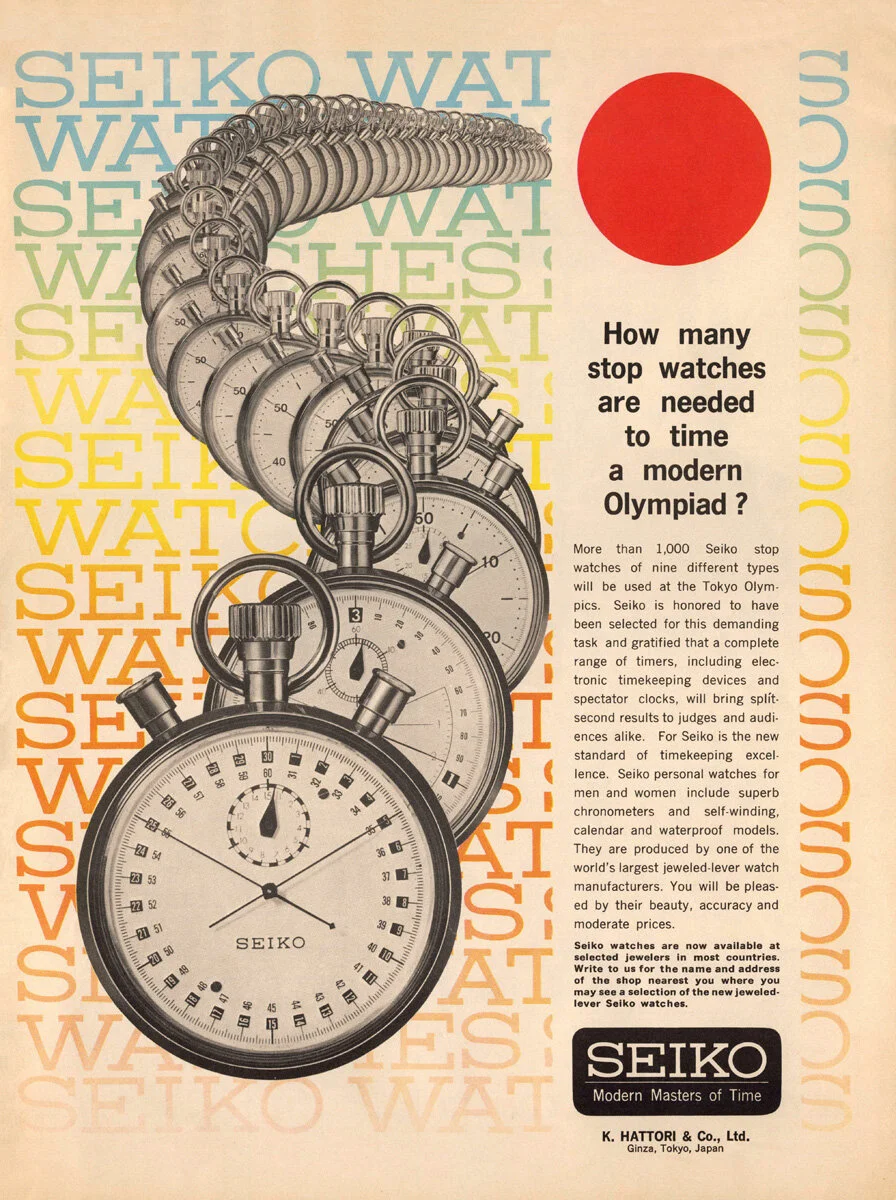
Before Tokyo, sports timekeeping was European. Longines, Omega, everything was decided in Switzerland. Seiko turns the table. Their photo-finish system, printed to the thousandth of a second, changes the rules. No more judging by eye. No more disputes. The machine decides.
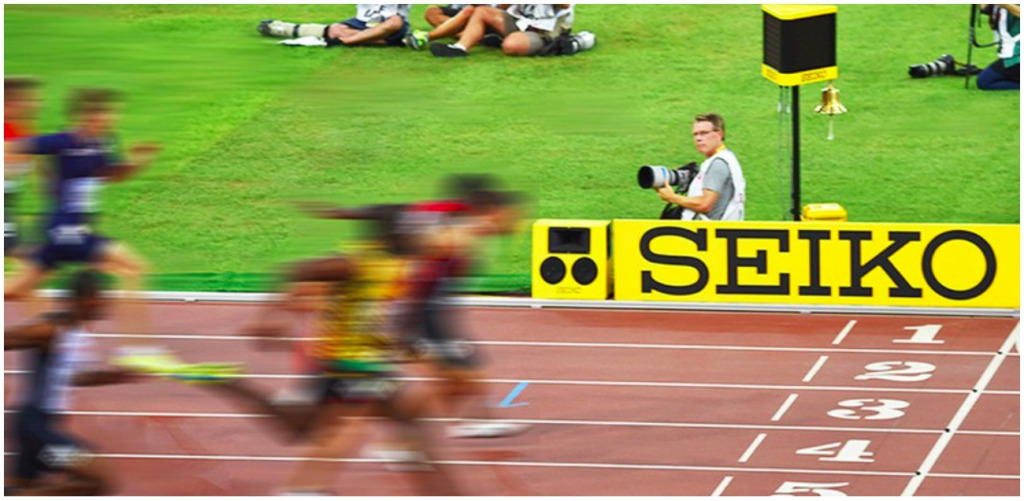
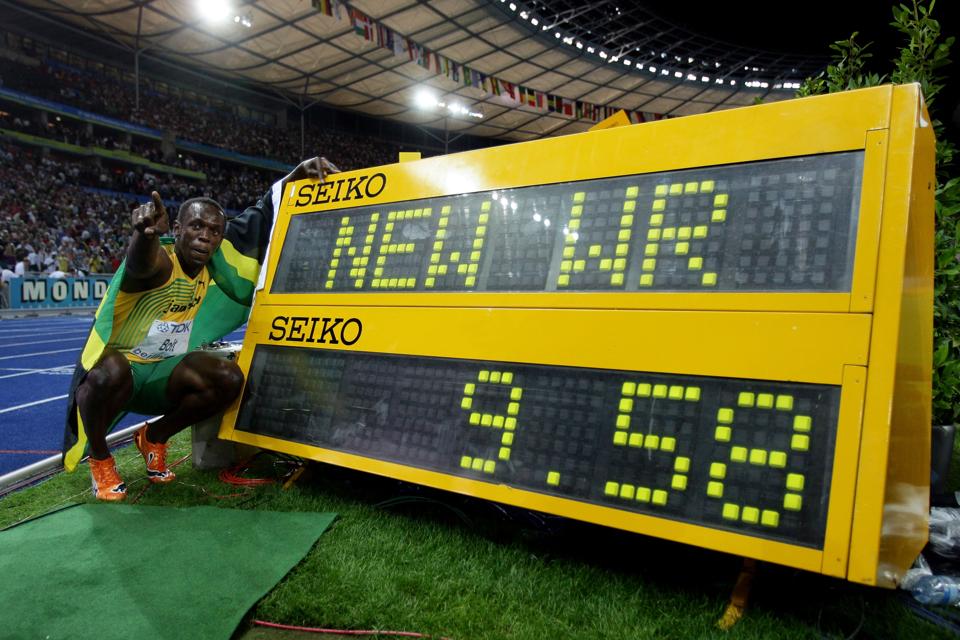
Since then, Seiko has never let go of athletics. World championships, the Diamond League, international marathons. Their fluorescent yellow boards have become as recognisable as the sprint lanes themselves. Nobody watches them directly. Everyone hunts for them with their eyes at every finish line.
Paul Newman and the Daytona, the accident that became a legend
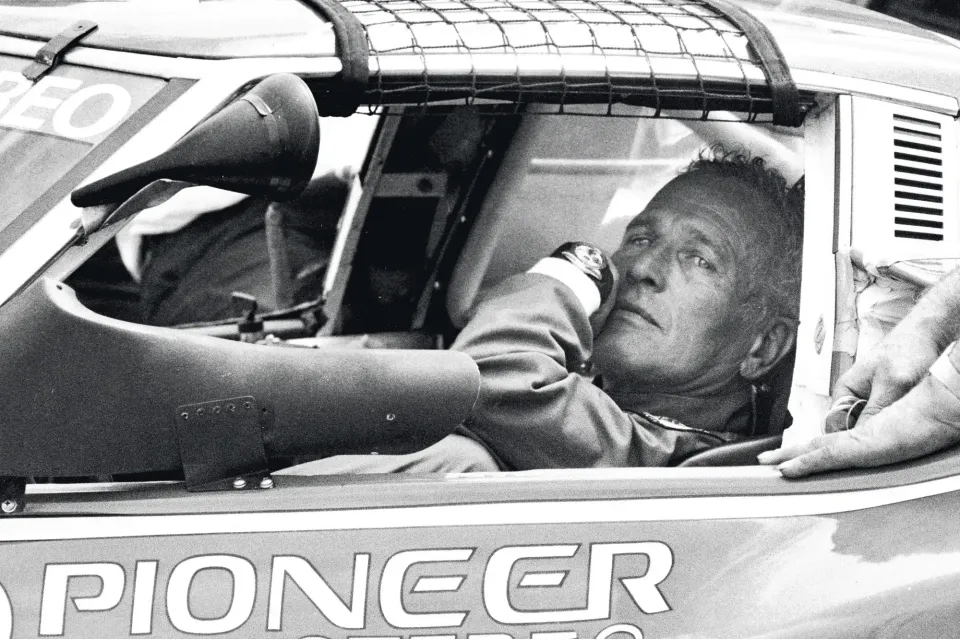
Paul Newman never wanted to be a watch ambassador. It is his wife, Joanne Woodward, who gives him a Rolex Daytona reference 6239 in the late sixties. On the back of the case, she has "Drive Carefully Me" engraved. Newman is an amateur racing driver. He competes in SCCA, at Daytona, at Lime Rock. The watch goes with him everywhere.
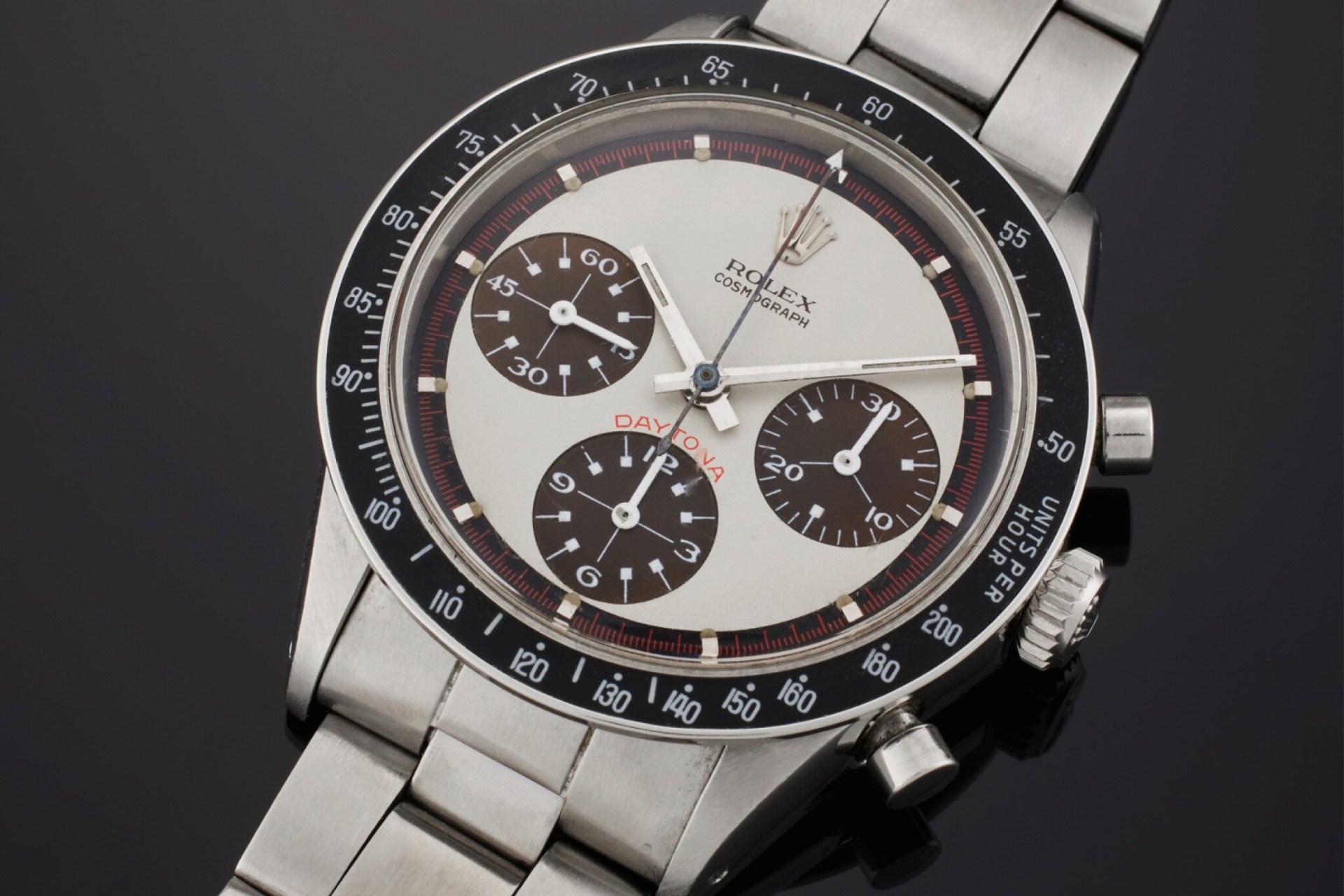
The dial of his Daytona is distinctive. Cream base. Black sub-dials. Square indices. Raised tachymetric scale. At the time, nobody wants one. Dealers sell off these "exotic" dials cheaply because customers prefer the classic versions. Total irony.
Then Newman wears his watch in a magazine. Then another. Collectors start calling this dial the "Paul Newman". The myth takes hold. In 2017, Newman's own watch, the one with Joanne's engraving, sells at Phillips for 17.75 million dollars. An absolute record at the time. An object worth 300 dollars in 1968.
What makes the story so good is that Newman couldn't have cared less. He wore his Daytona to time his laps. Not to impress. Not to invest. He gave it to James Cox, his daughter's boyfriend, simply telling him "here, take this". Cox wore it for years before realising what he had on his wrist.
Tag Heuer and Formula 1, the chronograph at 300 km/h
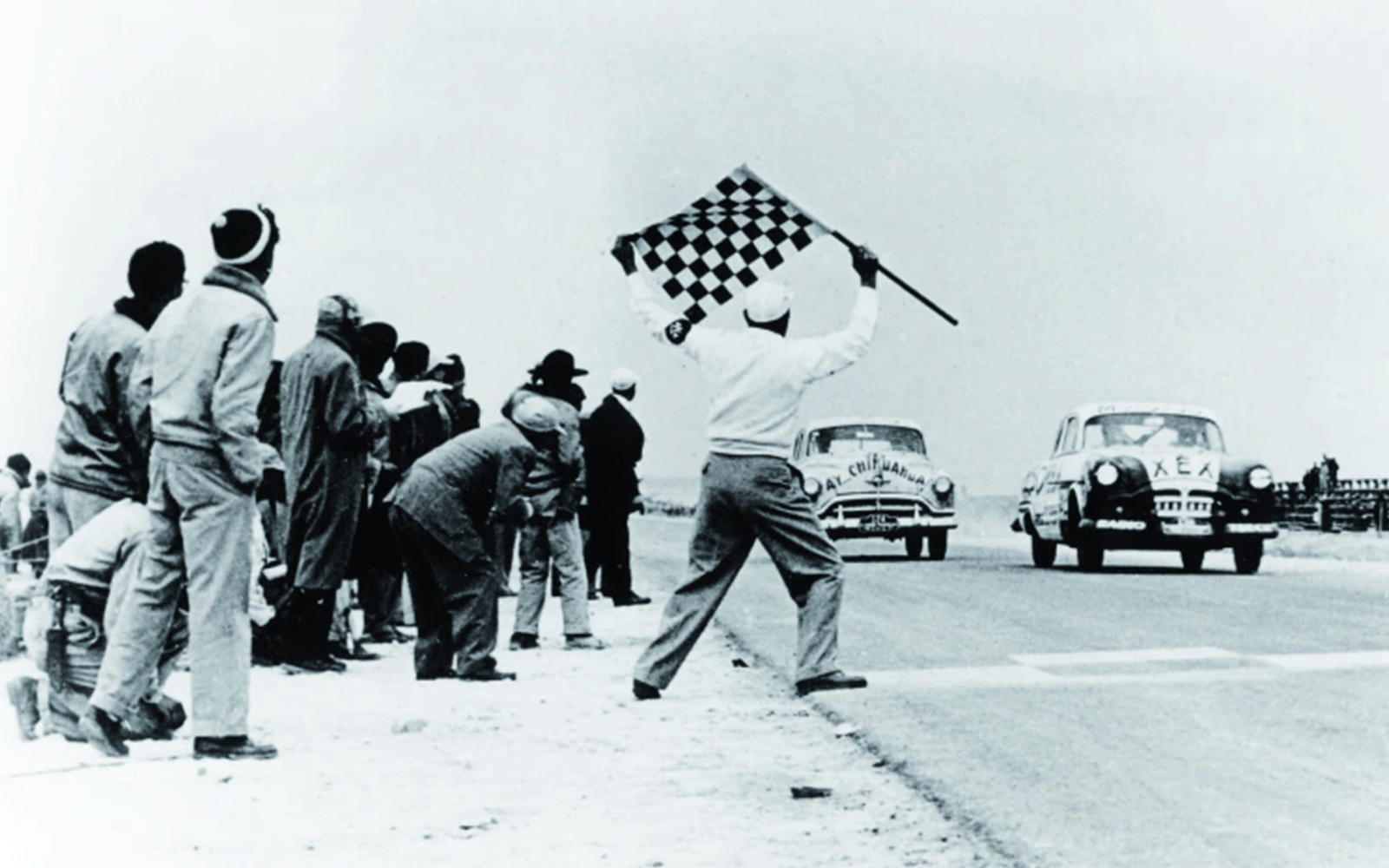
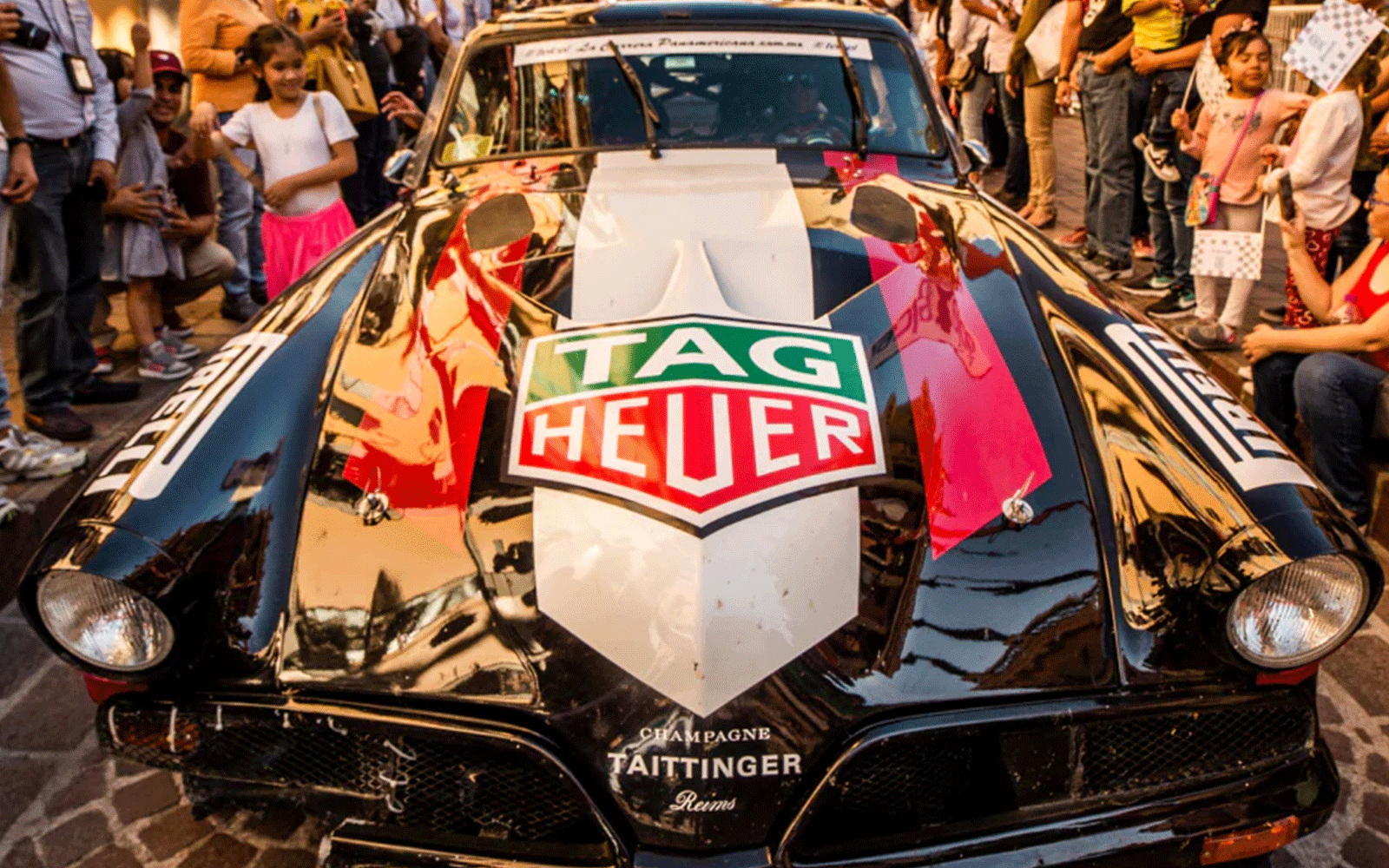
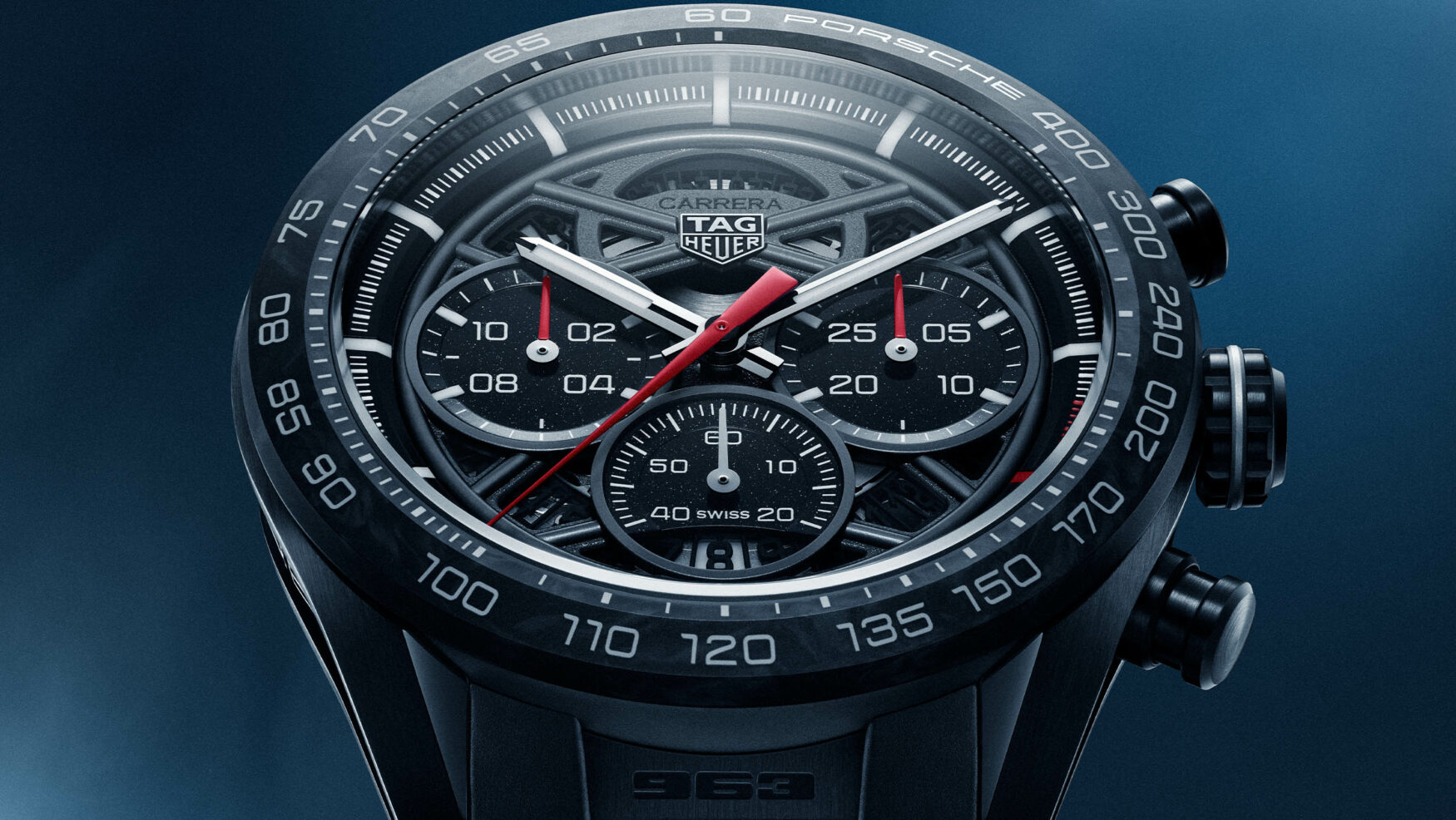
Jack Heuer is a racing man. In 1963, he names his new chronograph "Carrera", after the Carrera Panamericana, the deadly Mexican road race of the 1950s. Three thousand four hundred kilometres across desert and mountain. Drivers died there. Others were made there. Jack Heuer wanted that name. He took it.
In 1969, Tag Heuer strikes even harder. The Monaco, the first automatic chronograph with a square, water-resistant case. Steve McQueen wears it in "Le Mans". The film is middling. The watch becomes a cult object.
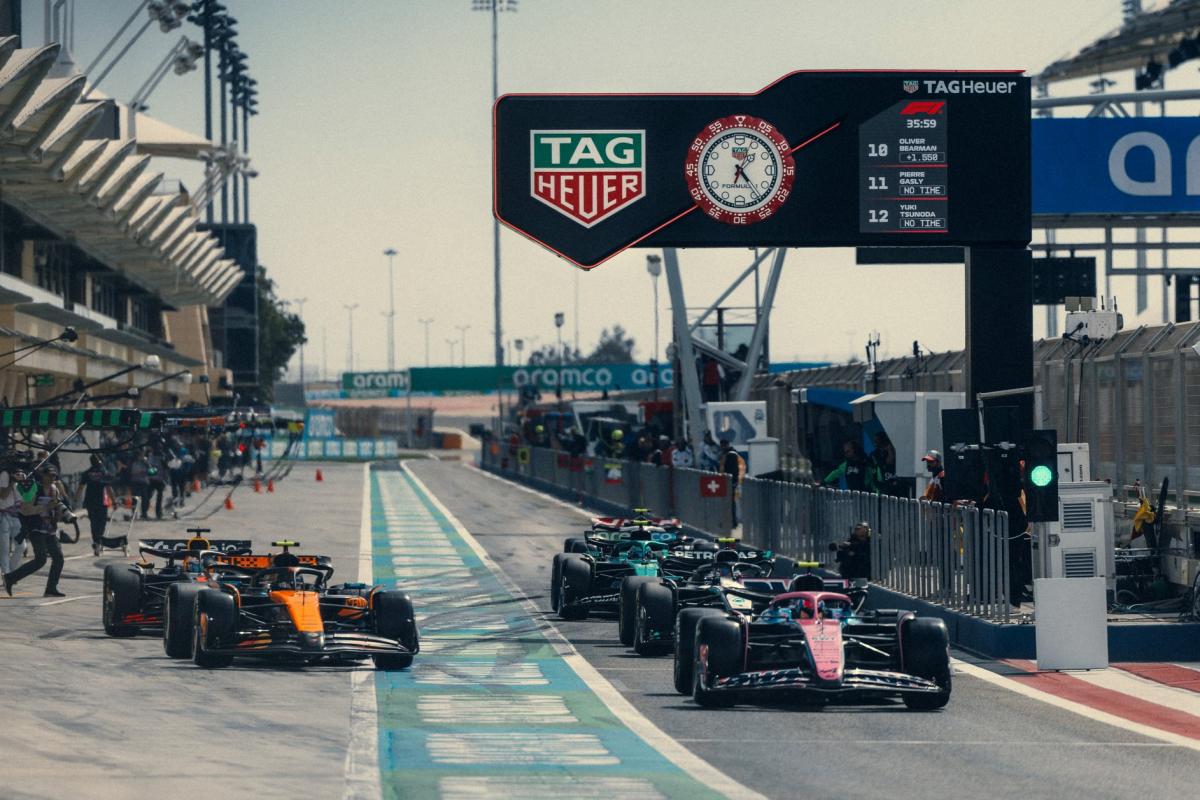
But it is Formula 1 that seals Tag Heuer's fate. The brand becomes official timekeeper in 1992 and never lets go. Ayrton Senna wears a Tag Heuer. Then McLaren. Then Red Bull. Even today, every Grand Prix displays the red and white clock above the pit lane. The thousandths of a second separating drivers in qualifying, Tag Heuer counts them.
Space too
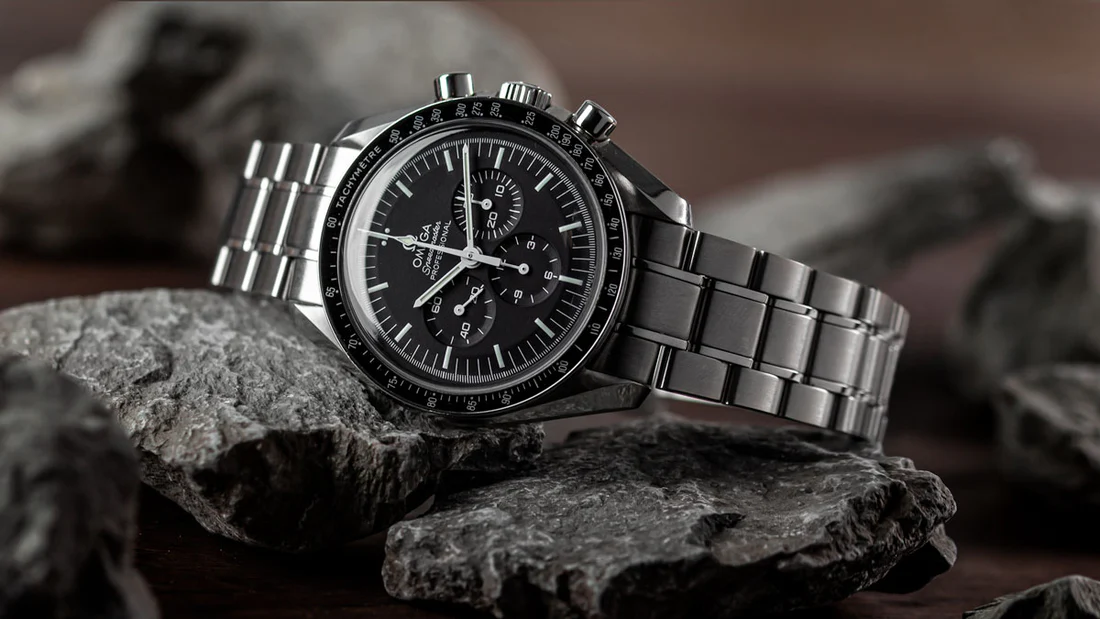
Omega Speedmaster. Moonwatch. Worn on the Moon. Certified by NASA. The chronograph that watched Armstrong set foot down. Still in production. Still on astronauts' wrists.
The craftsmen of the chronograph
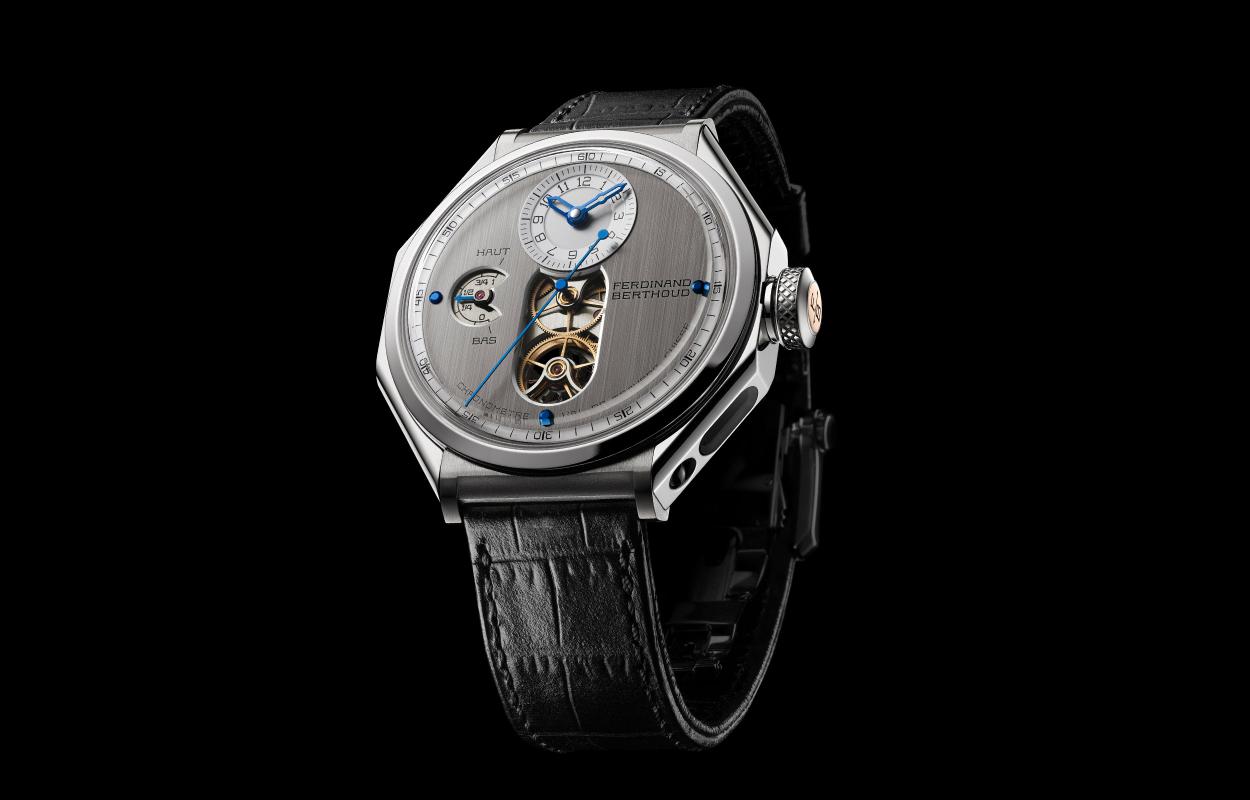
And then there are the pioneers. Ferdinand Berthoud, marine chronometer maker to the king. Extraordinary precision in the eighteenth century. Revived by Chopard with the FB1, a fusee-and-chain tourbillon paying tribute to two centuries of craftsmanship.
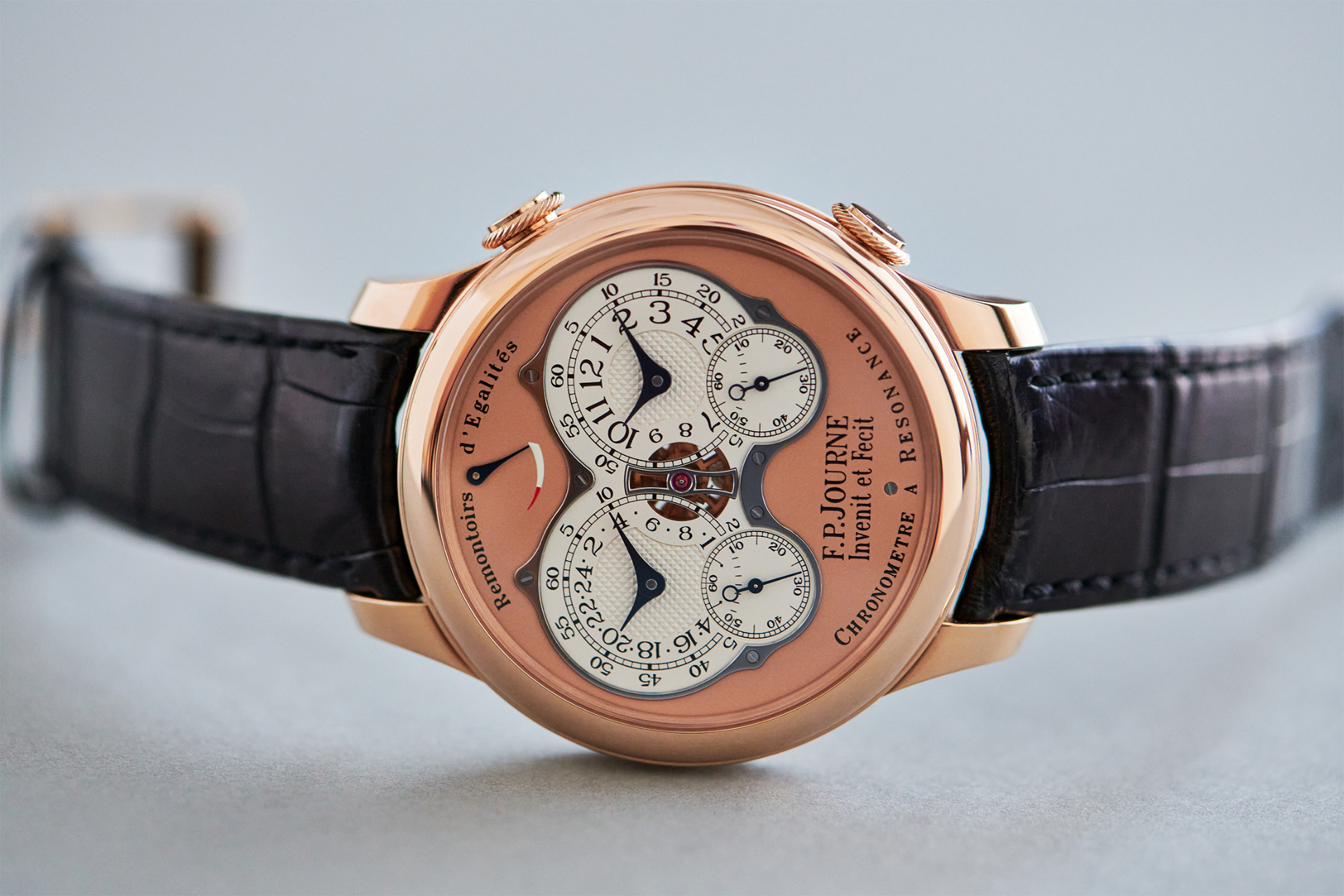
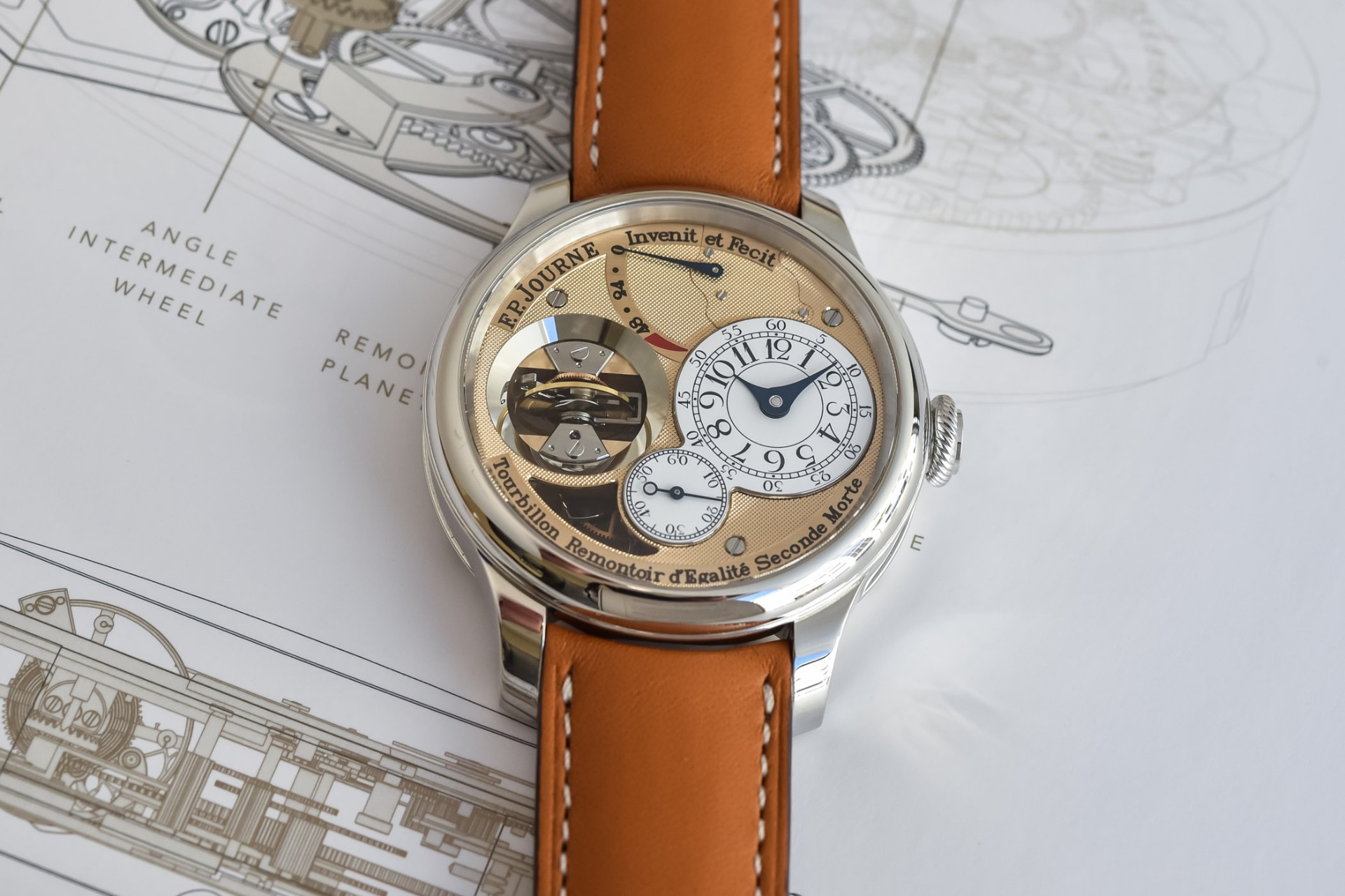
And François-Paul Journe. Independent. His Chronomètre à Résonance makes two balance wheels vibrate together, in harmony. Pure mechanical poetry. His Tourbillon Souverain Vertical pushes the limits further still.
The chronograph is all of that
History. Sport. Science. Luxury. Seiko for the masses. Rolex for the dream. Omega for the infinite. And the craftsmen for the art. The chronograph has measured everything, from Rieussec's horses to Bolt's seconds. It carries on.
Related articles
- From Mechanical Watch to Smartwatch: The Evolution of TimeDiscover the fascinating story of watchmaking. From the Quartz Crisis to Garmin and Apple connected watches, see how technology has transformed sport, safety and our relationship with time.
- Quartz Crisis 1969: Seiko Astron and the Swiss Watch ShockThe Quartz Crisis: how Seiko's 1969 Astron upended Swiss watchmaking and triggered its rebirth. The full story, calibres and key dates.
- Watches and the Ocean: From the Mariana Trench to Modern RecordsPart 2 – From the Mariana Trench to modern records