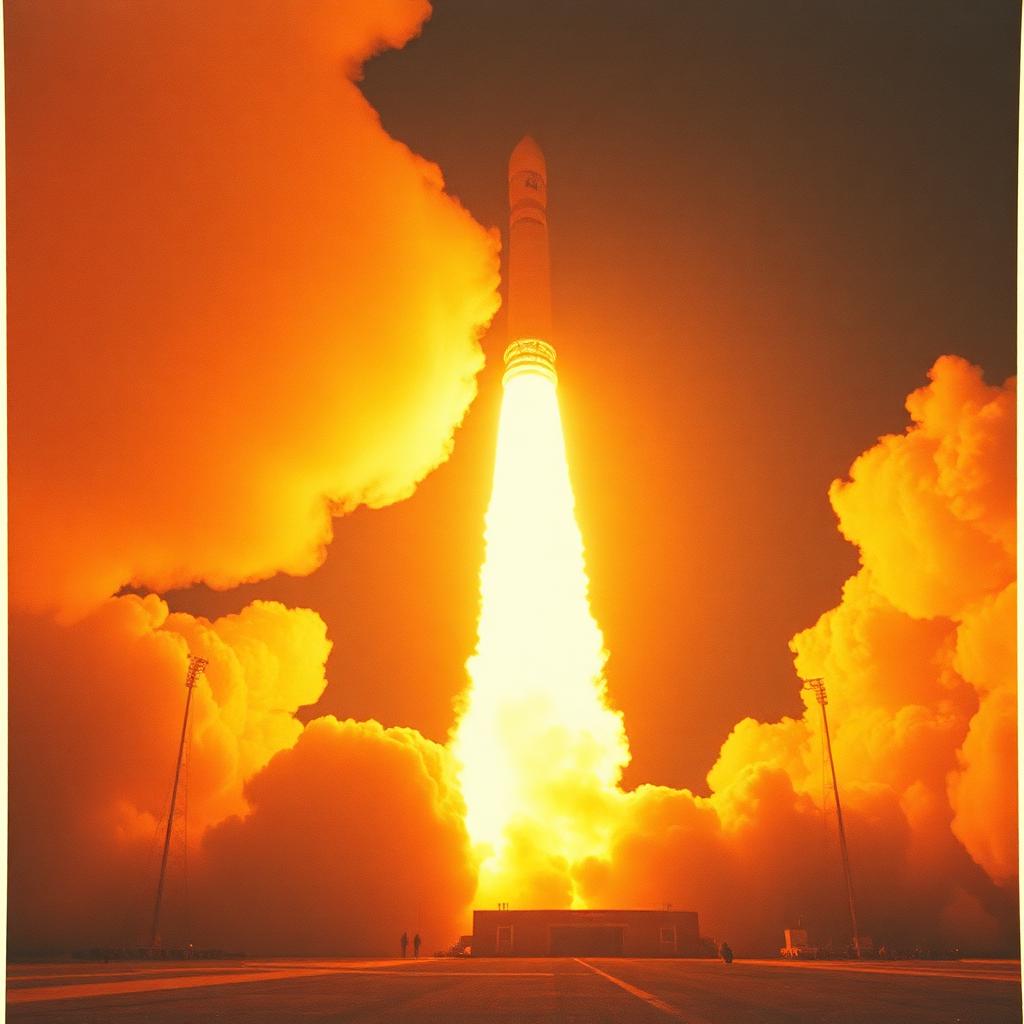
Watches and Space, Volume 1: The Orbital Pioneers
By CharlemagneUpdated on 5 min read
Gagarin's Sturmanskie: 108 minutes in orbit, no chrono, just nerve
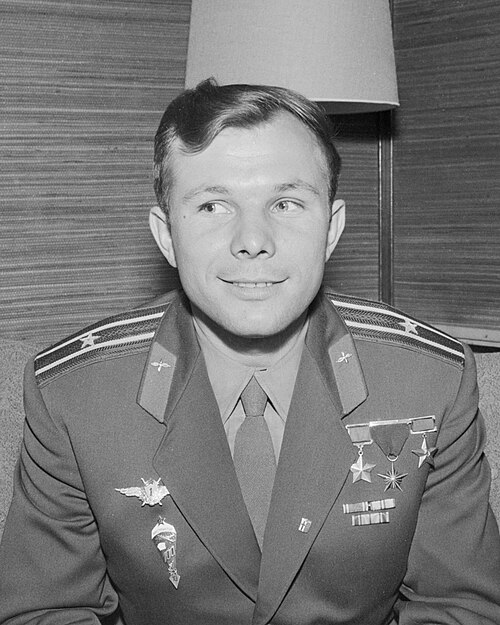
12 April 1961. Yuri Gagarin climbs into the Vostok 1 capsule. On his wrist, a Sturmanskie Type II, reference 2609. A 33mm case, hand-wound calibre 2609, 17 jewels, a crazed white dial with luminous hands and a small winged logo. No chrono. No water resistance. No shock protection. A military pilot's watch, built for MiG cockpits, not for the vacuum of space.
It held up through 108 minutes in orbit. 8G vibrations at lift-off. Wildly swinging temperatures. Gagarin kept it as a personal memento. Today, an original Sturmanskie from that period trades at around €50,000. Not bad for a calibre that once cost three months' wages for a Soviet worker.
The Strela 3017: the first chronograph on a spacewalk
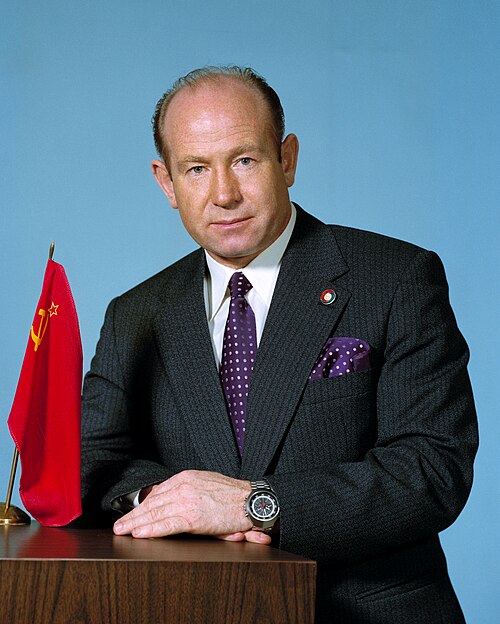
18 March 1965. Alexei Leonov steps out of the Voskhod 2 spacecraft and floats in the vacuum. On his wrist, a Strela 3017: hand-wound Poljot 3017 calibre, 23 jewels, a tachymeter engraved on the dial, water resistant to 20 metres. It was built for the Soviet air force, but it ended up in interstellar vacuum, exposed to -150°C.
The famous anecdote: Leonov's suit ballooned in the vacuum to the point where he could no longer fit back through the airlock. He had to manually depressurise it, at risk to his life. Through that whole ordeal, the Strela kept running without a hitch. It's the first chronograph to have worked on a spacewalk.
Omega Speedmaster: from pilot's watch to Moonwatch
The story starts mundanely. In 1962, astronaut Wally Schirra bought a Speedmaster simply because he found it good-looking. Not for space. Omega spotted the opportunity and refined the model: hand-wound calibre 321 with 17 jewels, hesalite crystal, tachymeter on the bezel.
In 1964, NASA launched its qualification tests. Space vacuum. Temperature cycles from -18°C to 48°C. 40G shocks. 95% humidity. The Speedmaster passed everything. The Rolex and Longines candidates failed.
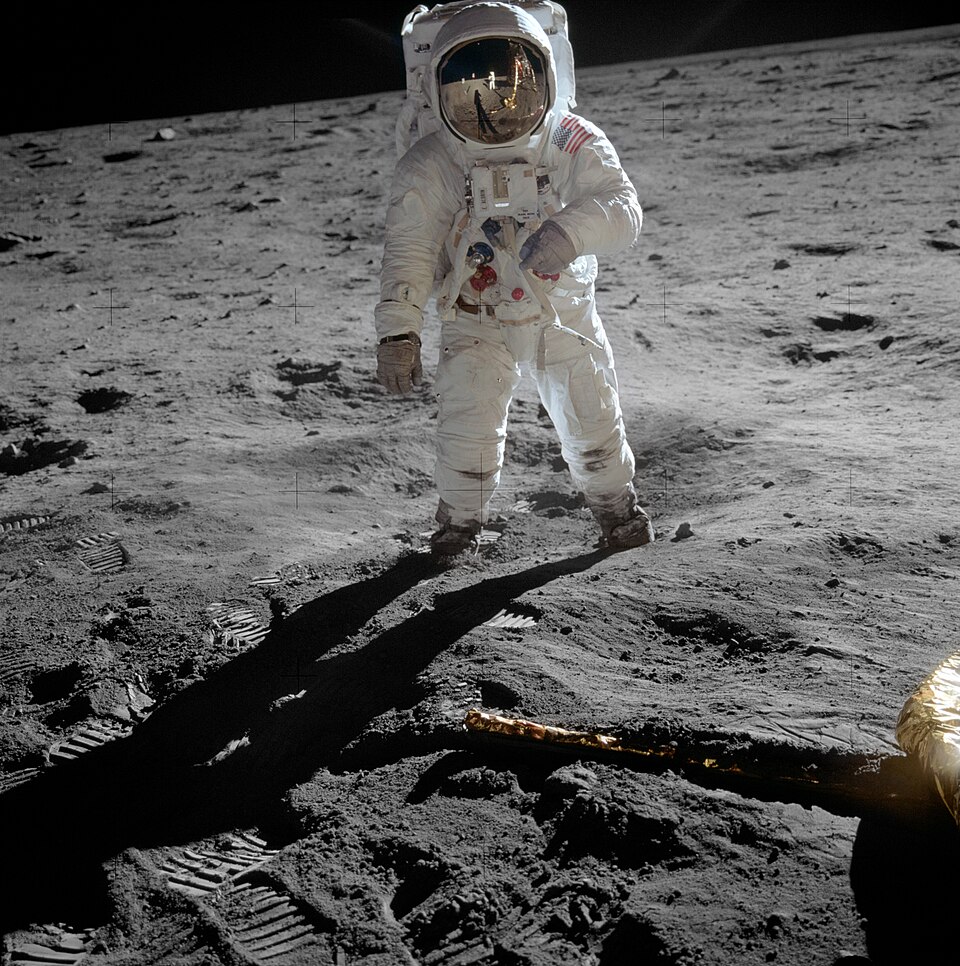
On 20 July 1969, Buzz Aldrin walked on the Moon with his Speedmaster on his wrist. Neil Armstrong? He'd left his in the lunar module. Aldrin remains the only man to have worn a Speedmaster on the surface of the Moon.
Bulova Lunar Pilot: the watch smuggled onto the Moon
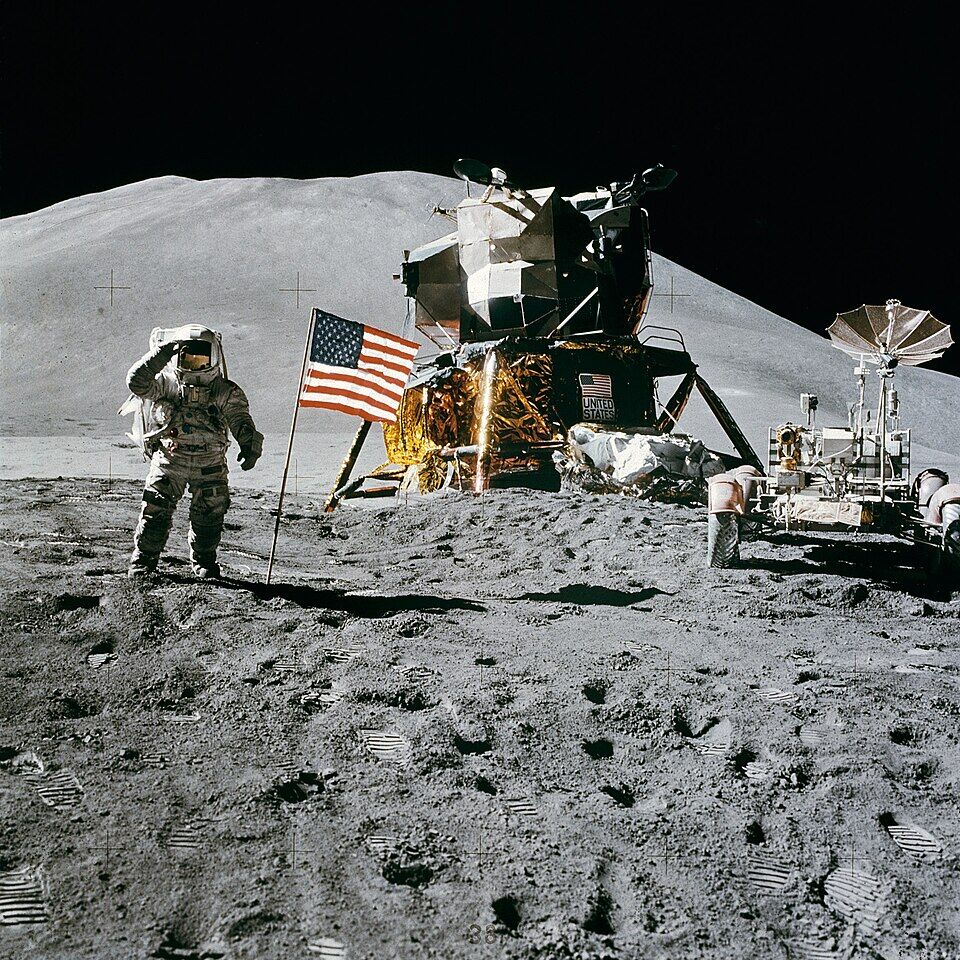
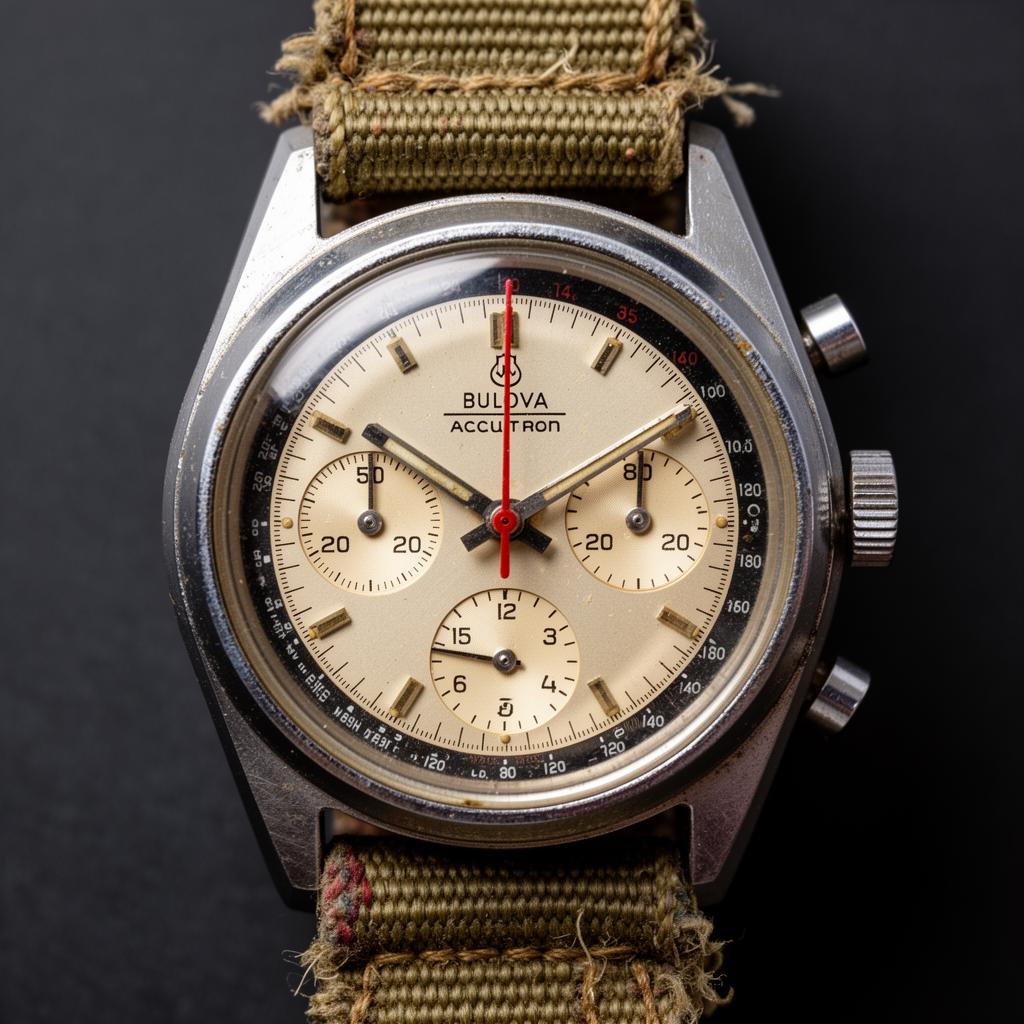
Apollo 15, 1971. Dave Scott is mid-way through a lunar excursion when the crystal on his official Speedmaster shatters. Rather than head back, he pulls out a Bulova prototype model 88510 he'd slipped in among his personal effects. The first Accutron quartz movement in space. Tachymeter scaled up to 500. Nylon strap already worn out before lift-off.
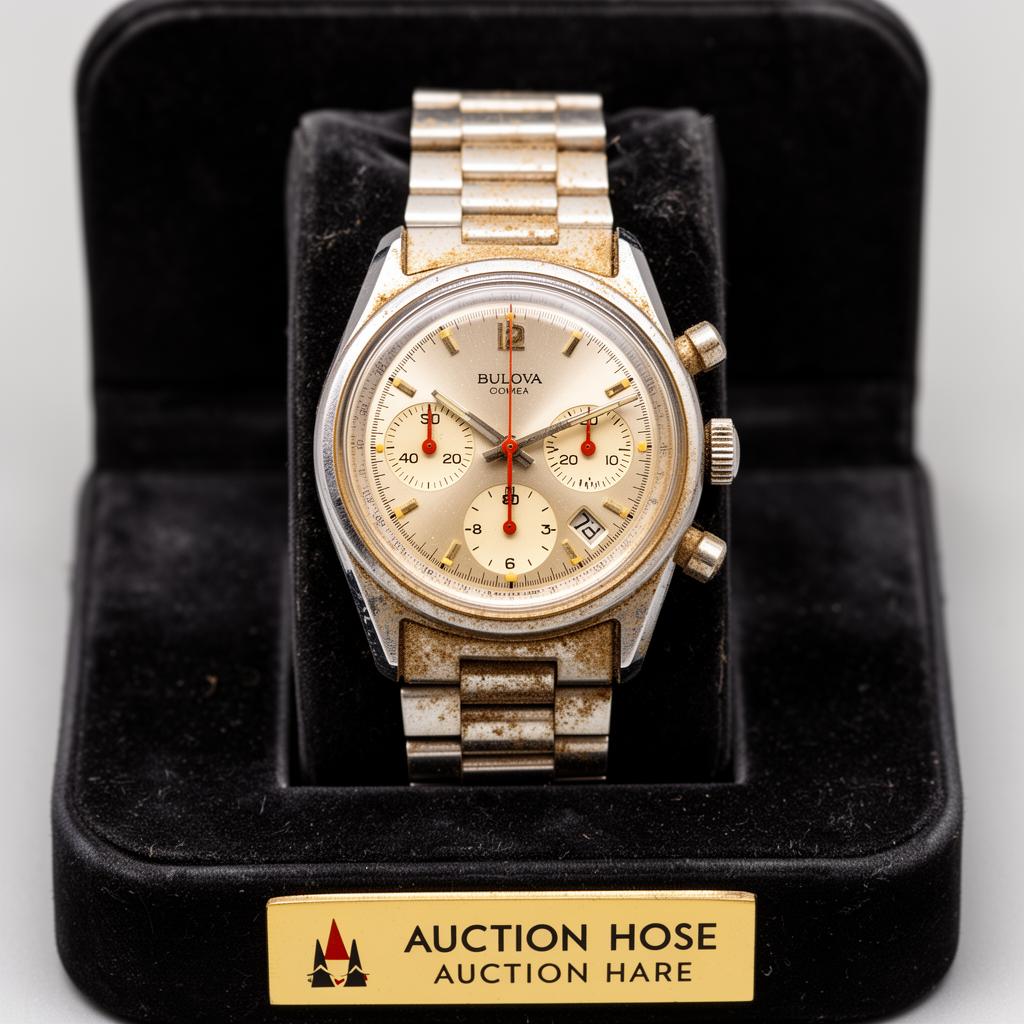
Not tested by NASA. Not approved. But it saved the mission. In 2015, this watch sold at auction for $1.6 million at RR Auction, with traces of lunar dust still embedded in the strap. An absolute record for an Apollo artefact at the time.
Seiko 6139 "Pogue": the first automatic chronograph in orbit
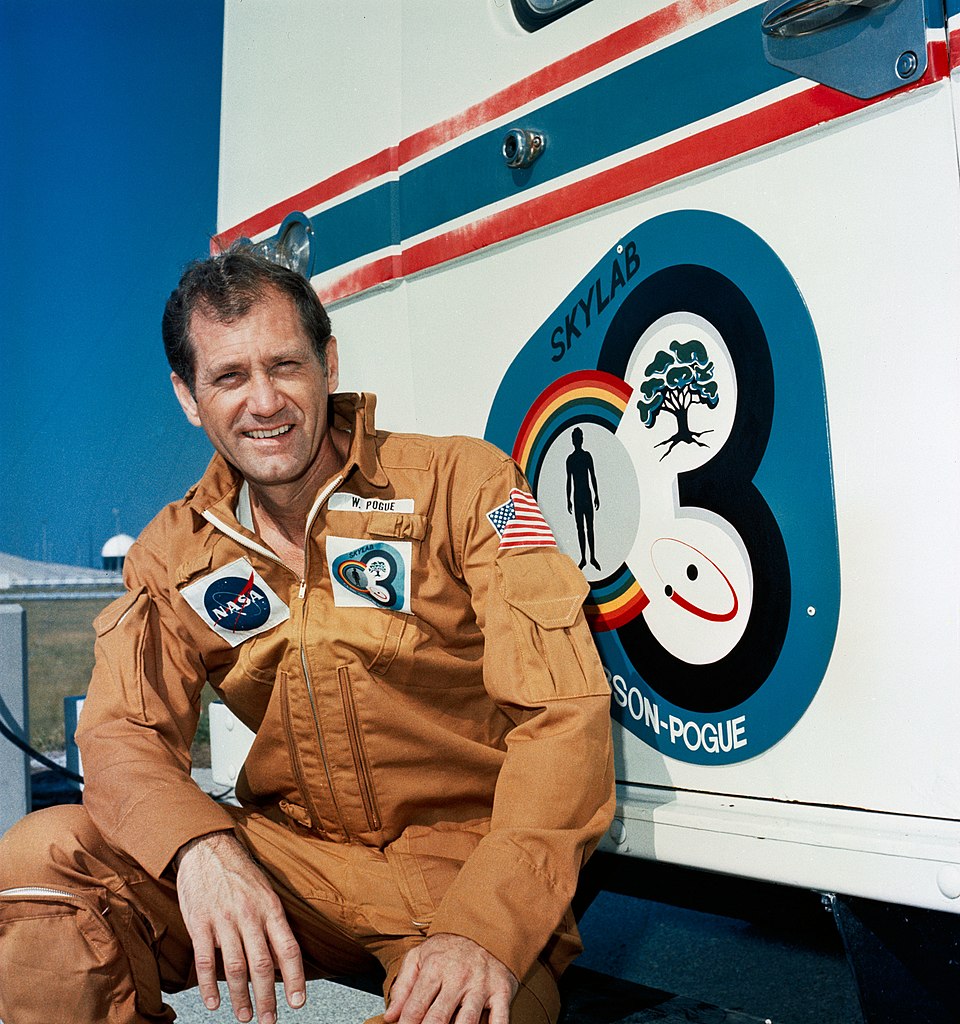
Skylab 4, November 1973. Colonel William Pogue boards the orbital station for 84 days. Among his personal belongings, a yellow-dial Seiko 6139 he'd bought for $64 at the Ellington base PX. Automatic calibre 6139, a rotor that keeps turning even in zero gravity, day-date display, integrated tachymeter.
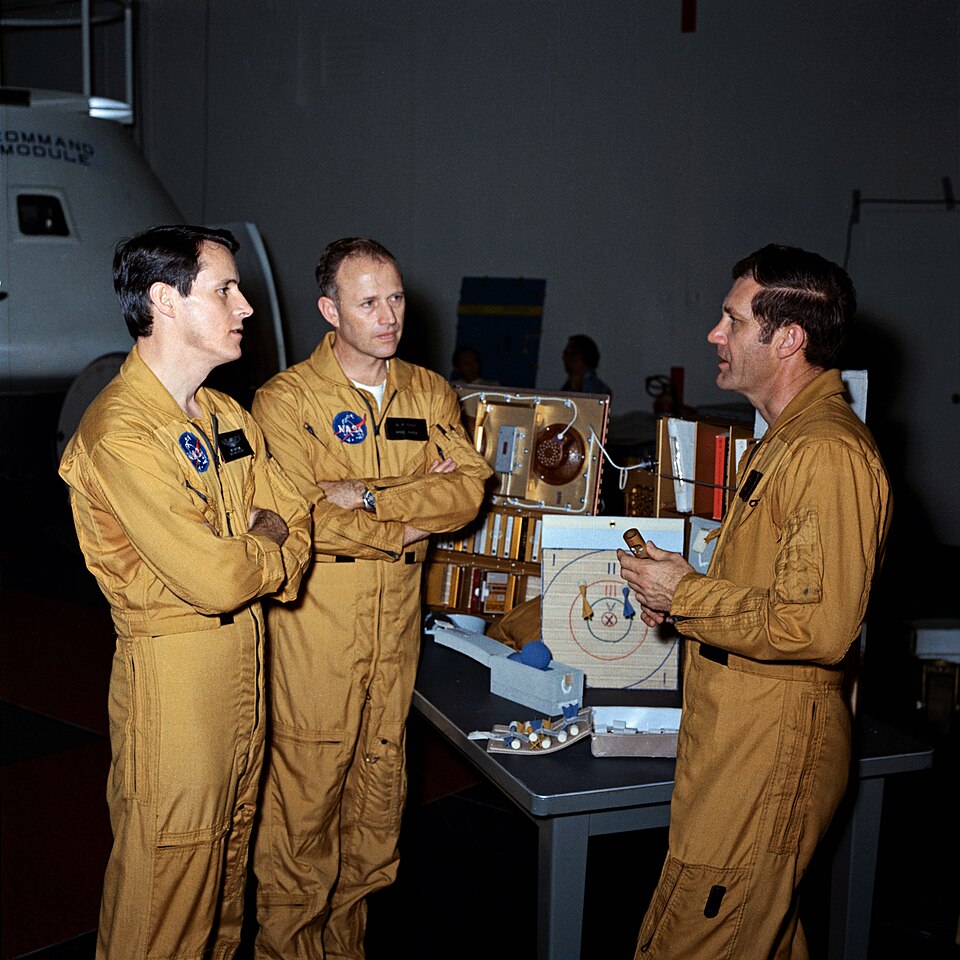
For 84 days, Pogue timed everything with it. Physical exercises, experiments, sleep cycles. His now-famous quote: "I didn't have an official stopwatch, but that one worked better than the Omega." The watch later sold at auction. The first automatic chronograph to have run in orbit.
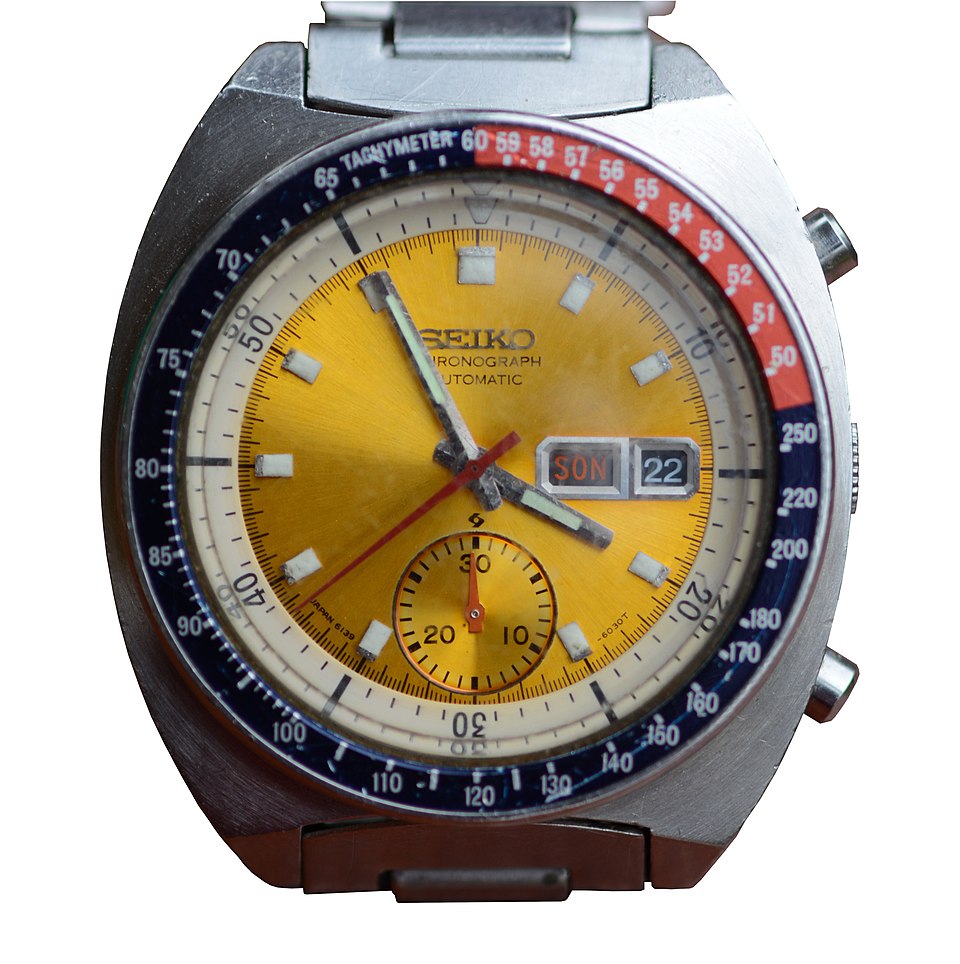
Casio G-Shock DW-5600: the queen of the Space Station
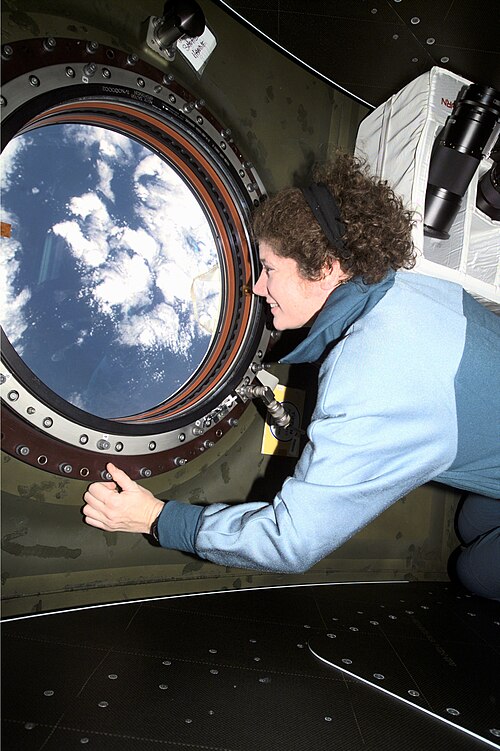
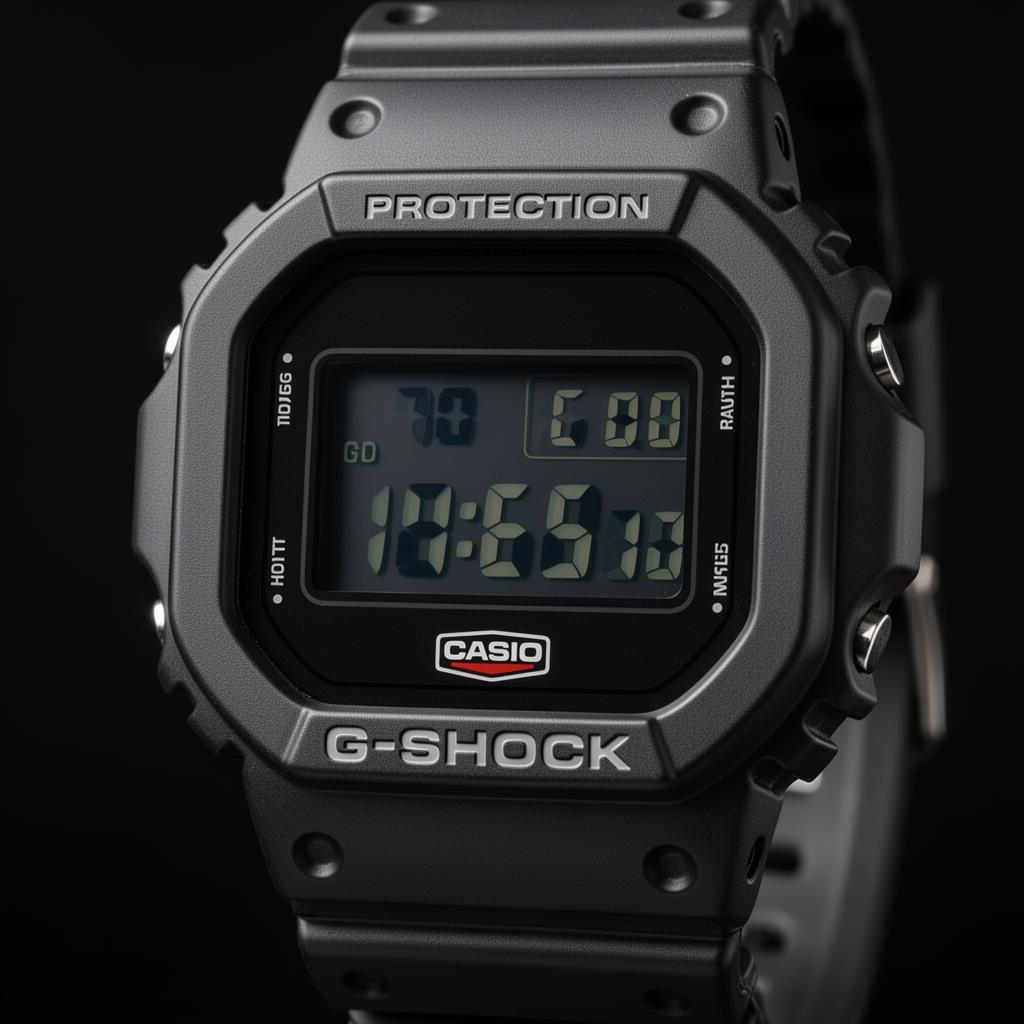
The G-Shock isn't glamorous. Resin case, basic quartz, green backlight. But it's indestructible. Susan Helms wore one in 2001 during her mission on the ISS, visible in work photos and camera footage.
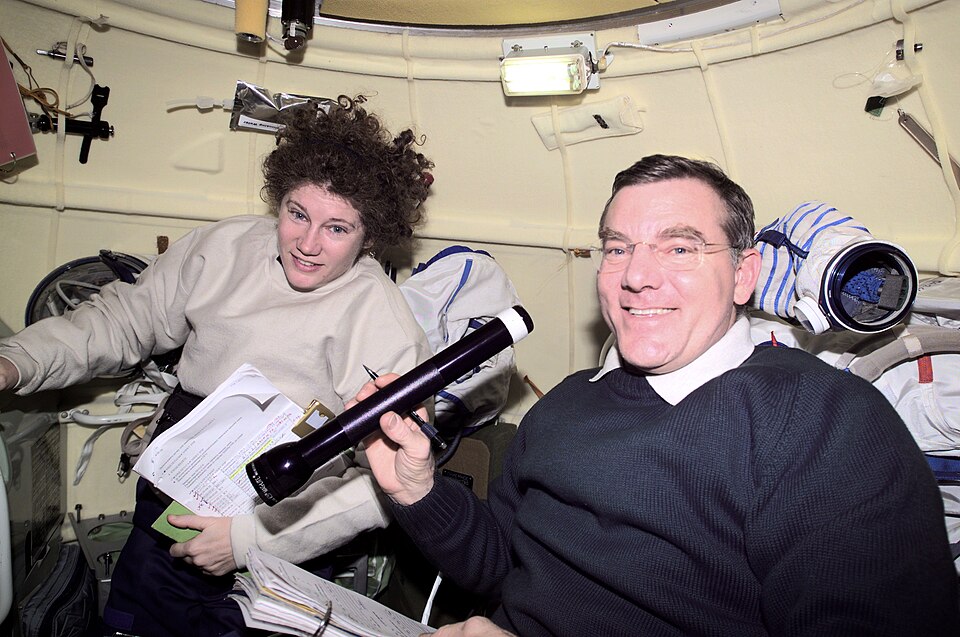
The DW-5600 model has clocked up more than 209 spaceflights. One astronaut (whose name circulates on forums but remains unconfirmed by NASA) is said to have used one as an improvised hammer to free a jammed panel. It held up. The G-Shock is the anti-luxury watch that's flown more space missions than any Omega.
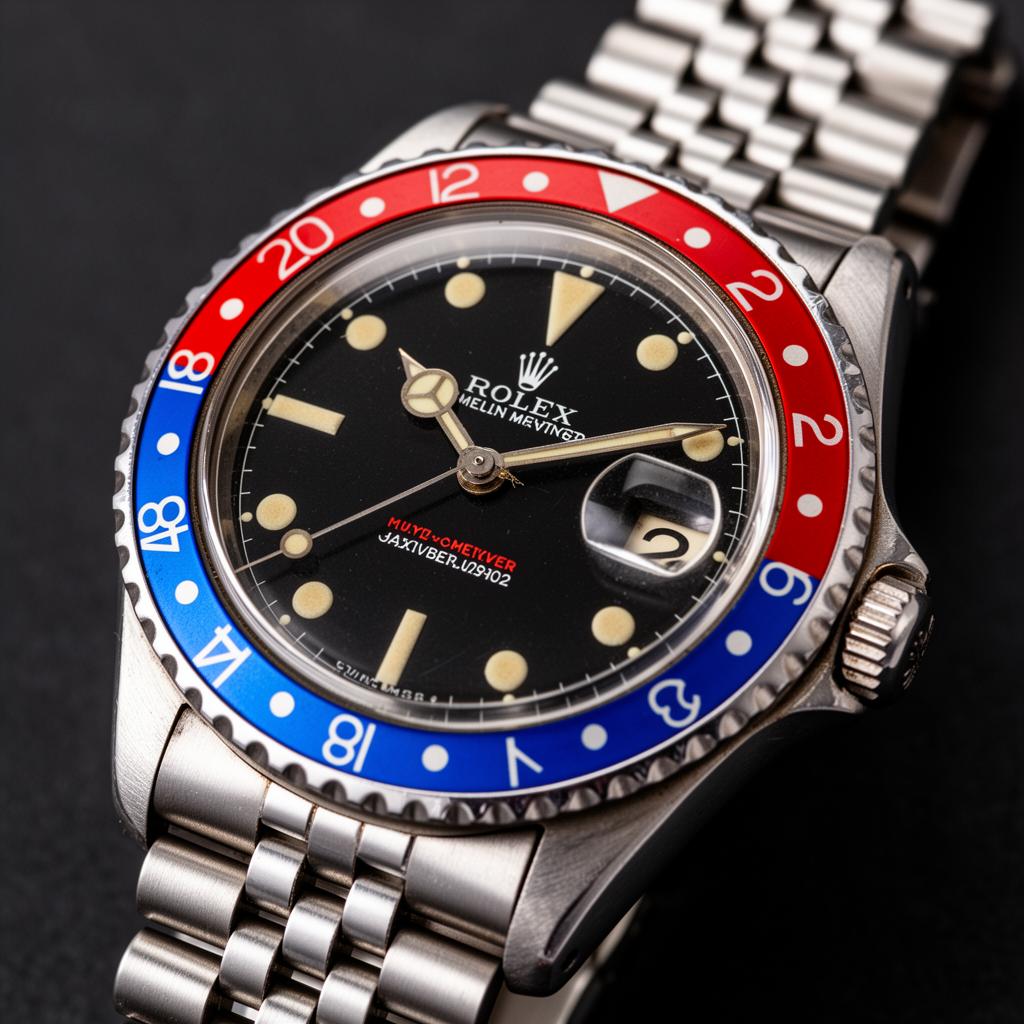
Rolex GMT-Master: the stowaway of Apollo 14
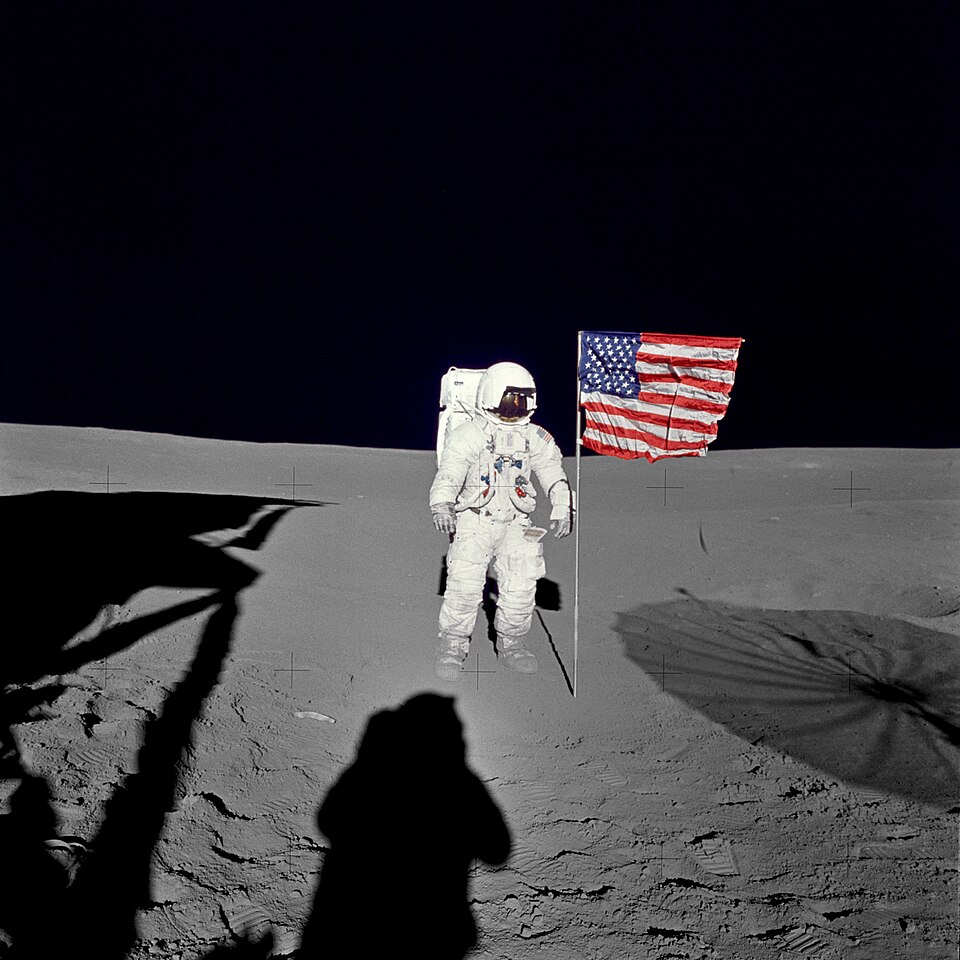
February 1971. Edgar Mitchell boards Apollo 14 with his Rolex GMT-Master "Pepsi" (reference 1675), red-and-blue two-tone bezel. Not an official NASA watch. Just a personal choice, as much for the style as for the dual time zone.
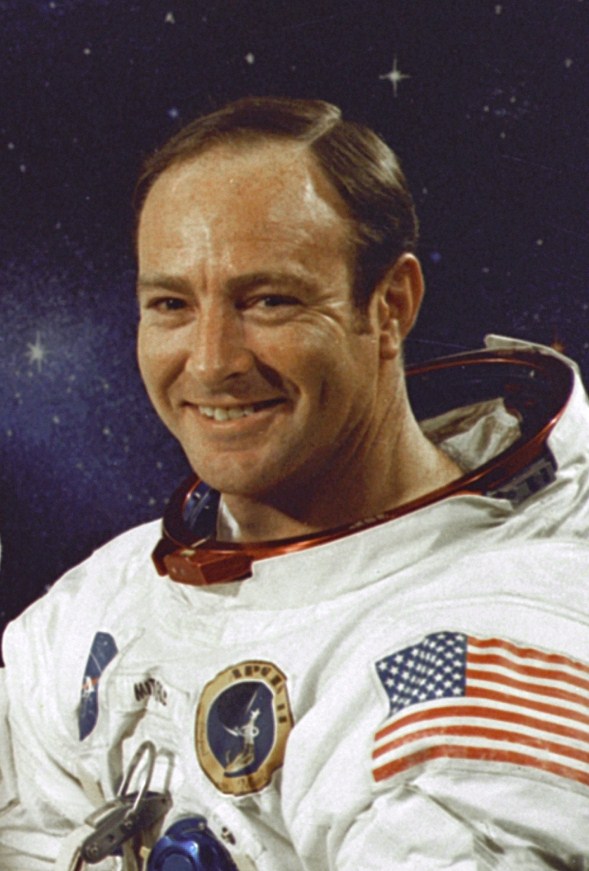
Mitchell is the sixth man to walk on the Moon. His GMT-Master watched the whole Earth from lunar orbit. It later sold at auction, becoming one of the most thoroughly documented Rolex watches in the history of space exploration.
These watches were never luxury pieces. They were mechanical or quartz genius that held up against the vacuum, the shocks, the cold and the lunar dust. And the archive photos tell that story better than any press release.
Related articles
- From Mechanical Watch to Smartwatch: The Evolution of TimeDiscover the fascinating story of watchmaking. From the Quartz Crisis to Garmin and Apple connected watches, see how technology has transformed sport, safety and our relationship with time.
- Quartz Crisis 1969: Seiko Astron and the Swiss Watch ShockThe Quartz Crisis: how Seiko's 1969 Astron upended Swiss watchmaking and triggered its rebirth. The full story, calibres and key dates.
- Watches and the Ocean: From the Mariana Trench to Modern RecordsPart 2 – From the Mariana Trench to modern records