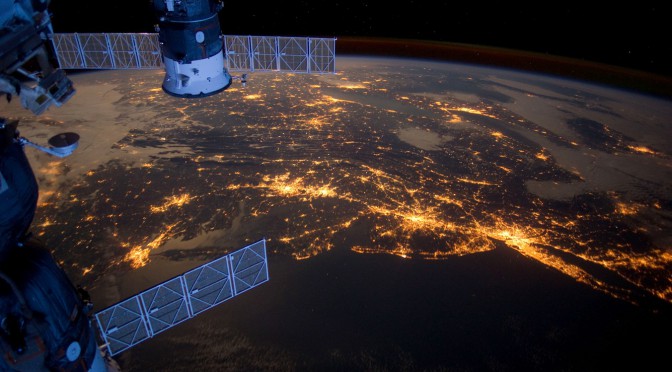
Watches and Space, Volume 2: The Ones Still Flying
By Charlemagne WatchesUpdated on 3 min read
The near-misses
Space isn't a film set. In 1965, during Gemini 4, Ed White triggers his Speedmaster chronograph. It jams. No panic on board, but NASA nearly has a nervous breakdown on the ground.
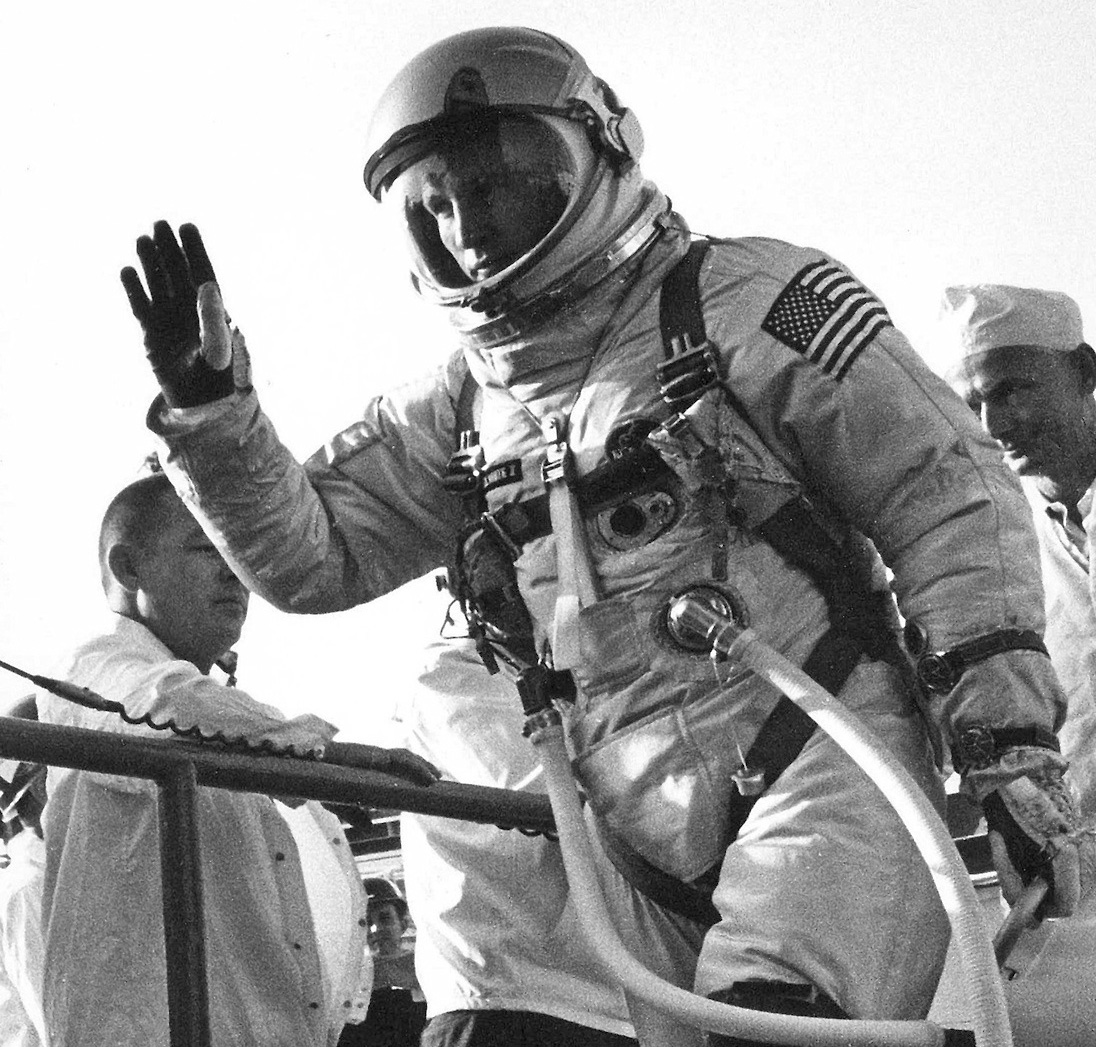
In 1971, Apollo 15. Dave Scott notices his Moonwatch is losing ten seconds a day. Lunar dust had infiltrated the movement and worn away the gears. And in 1986, aboard Challenger, an astronaut takes a violent knock on launch. Crystal cracked, hands bent. He kept wearing it anyway. "It's part of the journey," he said.
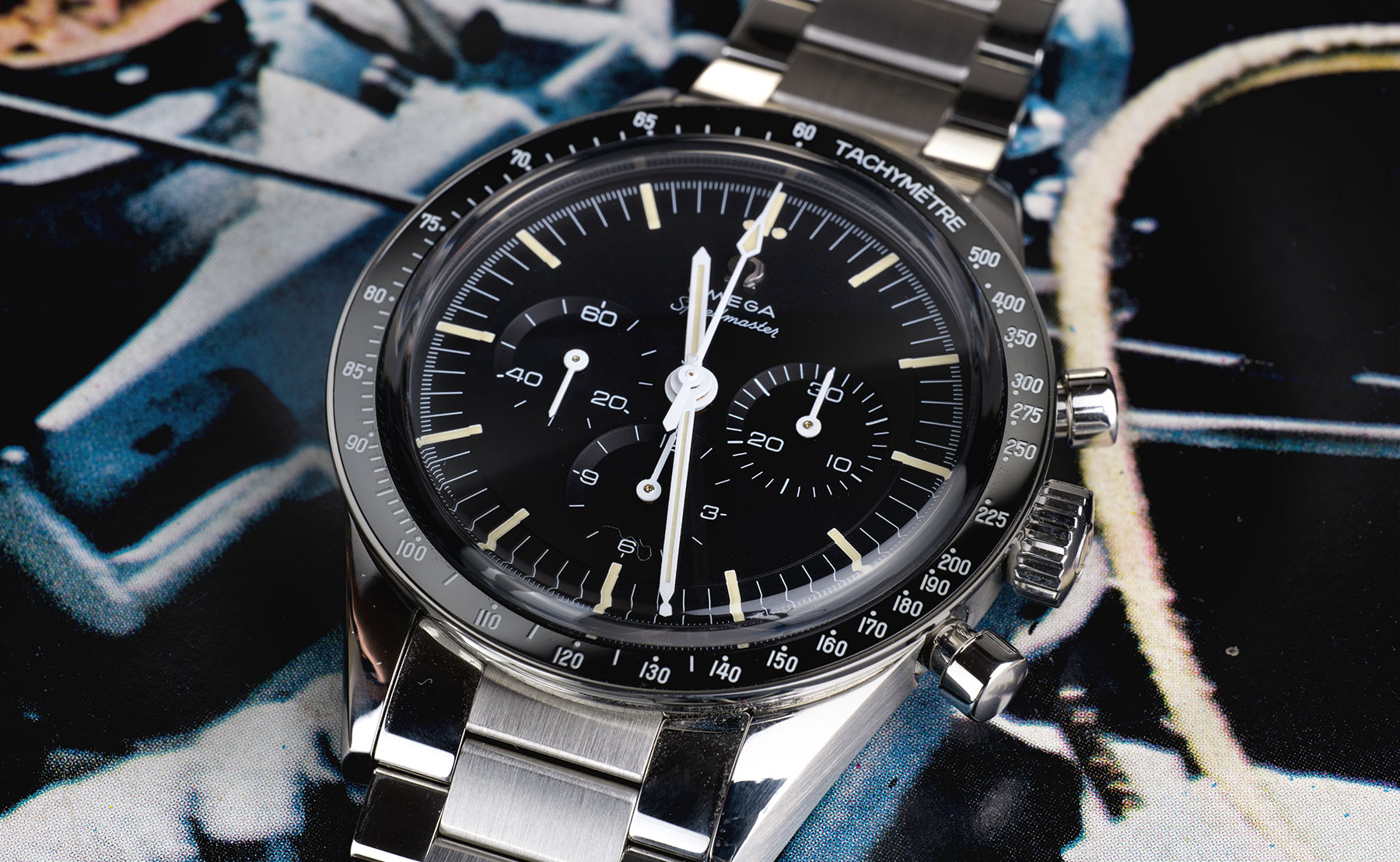
These failures forced manufacturers to become obsessed with reliability. Without these incidents, no X-33, no Novonaut.
Testing in the stratosphere
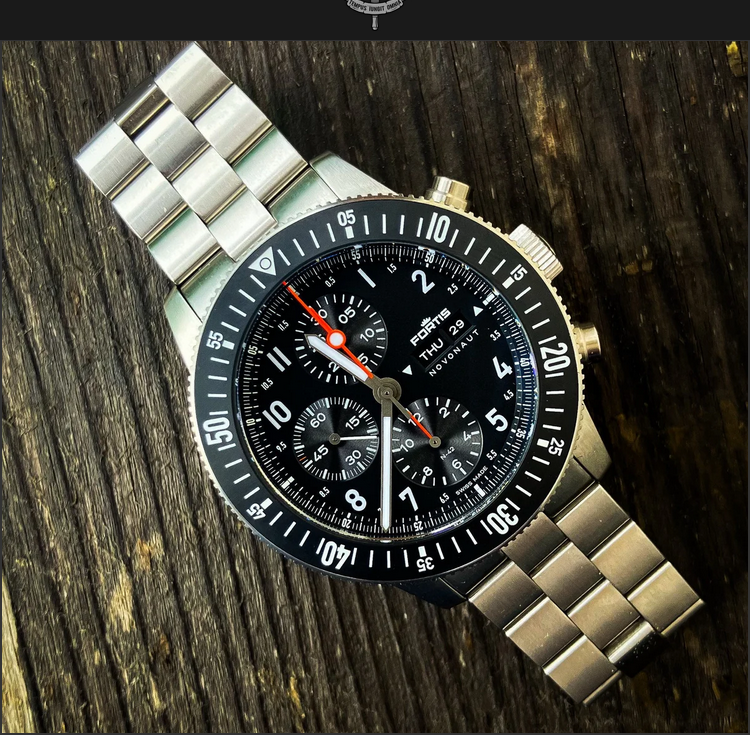
Before orbit comes 30 kilometres up. Fortis, 1993. A B-42 Cosmonauts strapped to a weather balloon. Minus 70 degrees, zero pressure, jackhammer vibrations. It came back unscathed.
Omega, 2018. The X-33 sent under the same conditions. The LCD screen freezes, then thaws. It still blinks. And in 2024, a Russian Novonaut prototype sent to 35 kilometres of altitude, 9 G of deceleration. The Werk 17 calibre didn't flinch.
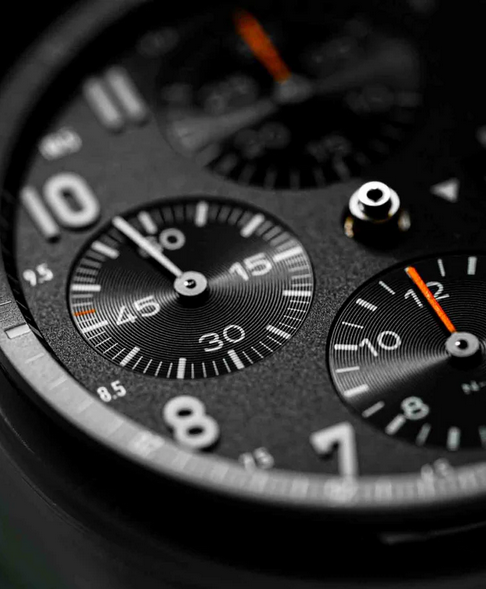
That's where, in the black cold, the watches that truly fly are born. Not on social media. On a balloon drifting above everything.
Everyday watches in orbit
Today, it's all about work.
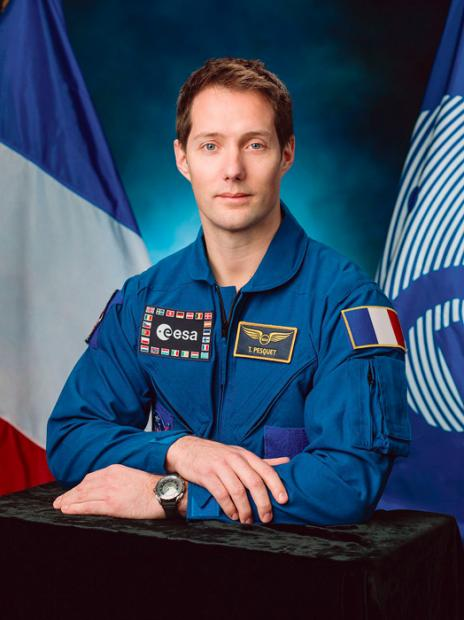
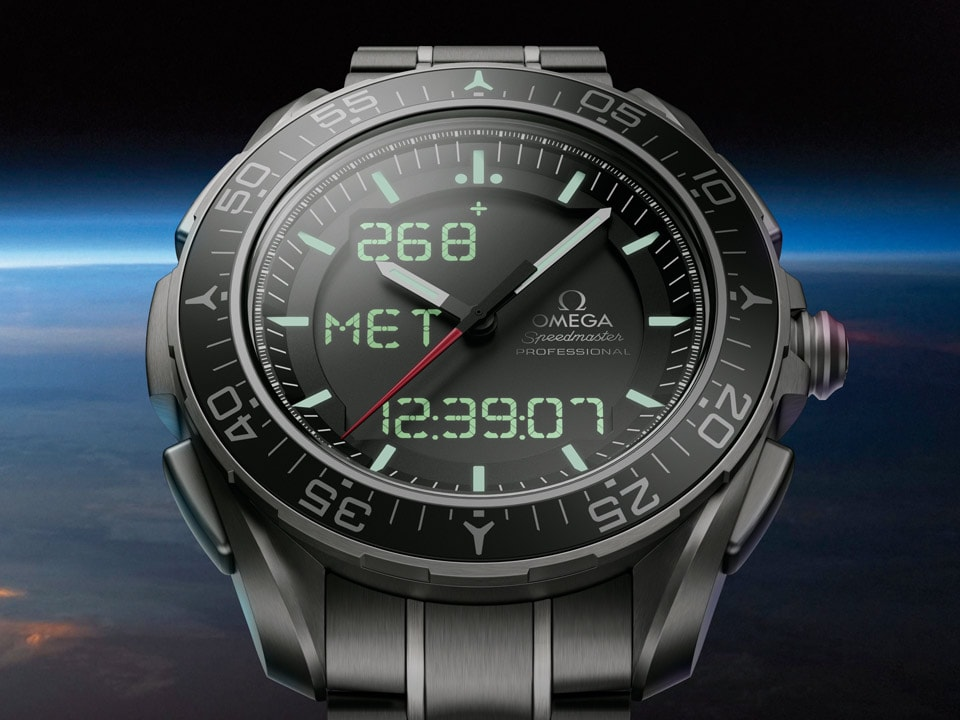
Omega X-33 Skywalker Gen 2. Pesquet, Koch, the Artemis II crew. Quartz, velcro, orange LCD display. It sounds the alarm while the astronaut floats between two experiments. Not a legend. A colleague.
Fortis Novonaut. Titanium, ceramic, lume that shines like a lighthouse in the orbital night. Cosmonauts wear it on Soyuz, on the ISS. Rugged, tough, indestructible.
Custom NASA Speedmaster. Woven strap, blue-red logo, reverse panda dial. For Artemis, it returns like an old acquaintance.
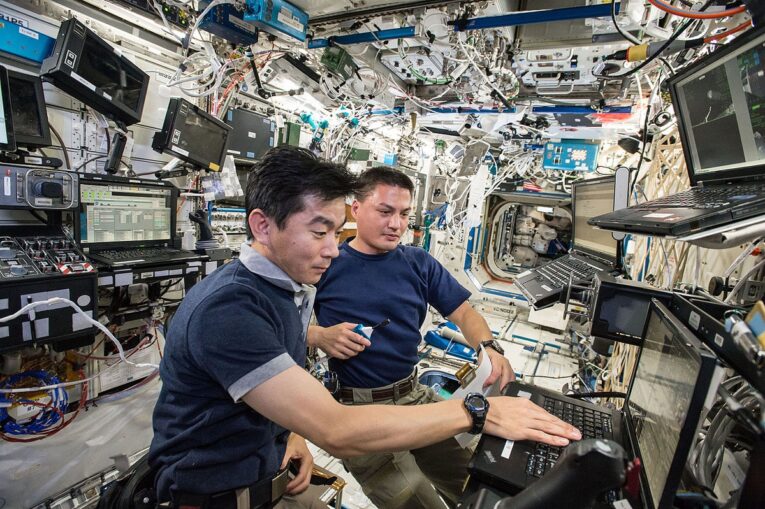
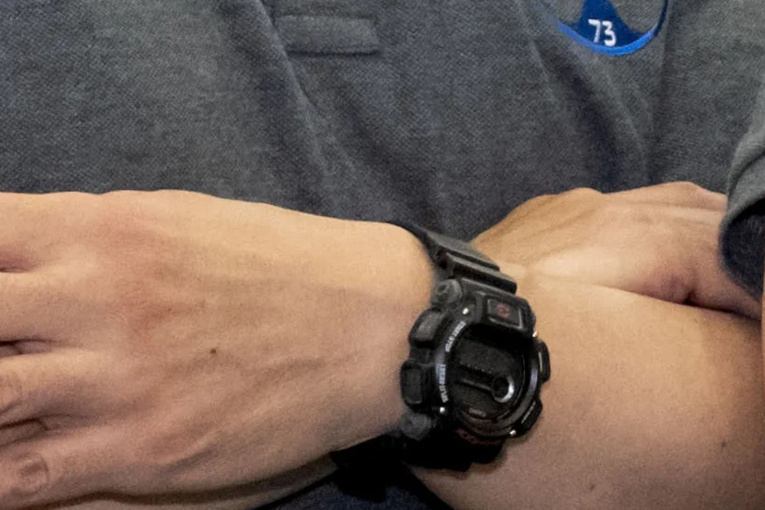
Casio G-Shock DW-9052. Private missions, Crew Dragon. Not expensive, not slim, but it takes the radiation, the knocks, and everything else. Kimiya Yui wore one in 2025. He even used it to time a meal in weightlessness.
Wild stories
1995. A Russian cosmonaut loses his Fortis B-42 inside the ISS. It floats for three days before getting stuck in an air filter. He retrieves it, winds it up. It still runs.
2009. An ESA astronaut uses his X-33 as an alarm clock for a lab cat in orbit. Alarm at 7:00 GMT, the cat meows, the whole crew bursts out laughing.
2022. On an Axiom mission, a billionaire brings along a gold Rolex Daytona. It takes a hit of radiation. Dial yellowed, chronograph jammed. He keeps it. "A souvenir of a $400 million trip."
And the maddest one. In 2016, an astronaut "repairs" his Speedmaster with a bit of tape and a paperclip. It holds for six months. NASA turns a blind eye.
And tomorrow?
Mars. An X-33 that will hold up six months without a battery. A Novonaut that will withstand the red dust. Or a Speedmaster, once again.
Because space isn't just numbers. These are stories. And watches carry them on the wrist.
Related articles
- From Mechanical Watch to Smartwatch: The Evolution of TimeDiscover the fascinating story of watchmaking. From the Quartz Crisis to Garmin and Apple connected watches, see how technology has transformed sport, safety and our relationship with time.
- Quartz Crisis 1969: Seiko Astron and the Swiss Watch ShockThe Quartz Crisis: how Seiko's 1969 Astron upended Swiss watchmaking and triggered its rebirth. The full story, calibres and key dates.
- Watches and the Ocean: From the Mariana Trench to Modern RecordsPart 2 – From the Mariana Trench to modern records